
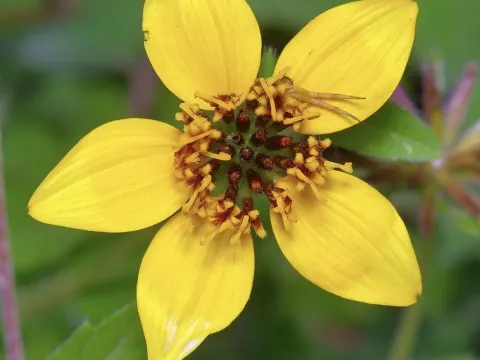
Sclerocarpus
Sclerocarpus
Sclerocarpus is a genus of herbaceous plants belonging to the family Asteraceae. Native primarily to the Americas and parts of Africa, these plants are known for their distinct daisy-like flower heads and sturdy growth habit, adapting well to diverse ecological niches.
What the section contains


Sclerocarpus
The plant requires well-drained soil conditions to prevent root rot, especially in regions with high seasonal rainfall. It thrives in loamy or sandy soils that offer good aeration, allowing the root system to penetrate deeper and stabilize the plant during the growing season.
Climatically, Sclerocarpus species prefer warm temperatures and extended sunlight exposure. As tropical and subtropical plants, they are highly sensitive to frost, necessitating careful timing for cultivation in regions outside their natural range to ensure successful harvest.
Regarding agronomic practices, field preparation involves thorough tilling to ensure a loose seedbed. Weed control is essential during the early stages of establishment, as young seedlings of Sclerocarpus can be outcompeted by aggressive weeds until they achieve significant canopy cover.
The agricultural importance of this crop lies in its biomass production potential. It is researched as a possible forage source in integrated farming systems, where its structural properties and nutrient profile can contribute to livestock nutrition and overall soil health management.