
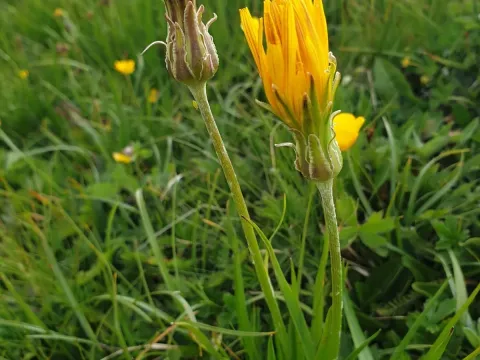
Scorzonera aristata
Scorzonera aristata
Sowing of Scorzonera aristata should be performed in early spring as soon as the soil reaches a workable state, or alternatively, seeds can be sown in late autumn for early spring emergence.
What the section contains
Scorzonera aristata
The seeds must be planted at a depth of 2–3 centimeters to ensure proper germination, maintaining consistent soil moisture levels during the initial growth phase.
Optimal row spacing should be approximately 30 to 40 centimeters to facilitate aeration and allow for efficient manual or mechanical weed management between rows.
As a member of the Asteraceae family, the crop requires precise density management; typically, thinning is performed to allow each root sufficient space to develop its characteristic shape.
Successful establishment depends heavily on high-quality seeds and a well-prepared seedbed that is free of large clods and debris, which could otherwise deform the growing roots.
Scorzonera aristata thrives in open, sunny locations where it can maximize photosynthesis, as shading often results in poor root development and lower nutritional quality.
Deep, loose, and well-drained loamy or sandy soils are ideal, as they allow the taproot to grow straight and reach its full size without encountering mechanical obstacles.
The plant is highly resilient and displays significant tolerance to cold climates, making it a reliable option for regions experiencing varied and harsh seasonal transitions.
Regarding soil chemistry, the plant prefers neutral to slightly alkaline pH levels, which are conducive to nutrient uptake and overall plant vigor throughout the vegetative cycle.
Adequate soil structure is paramount; it is advisable to avoid heavy clay soils, as they tend to promote root rot and yield stunted, branched vegetables of low commercial value.
The main pests affecting Scorzonera aristata include wireworms, which can bore into the roots, leaving them susceptible to secondary infections and reducing marketability.
Powdery mildew represents a significant fungal threat, especially in humid conditions with poor ventilation, which can cause leaf yellowing and reduced vigor in the crop.
Young plants are particularly vulnerable to slugs and snails, which can decimate emerging crops, necessitating early monitoring and the use of integrated pest control strategies.
Crop rotation is essential for mitigating soil-borne diseases such as root rot, which may accumulate if the plant is grown repeatedly on the same plot without adequate intervals.
Effective management includes maintaining a clean field and ensuring proper moisture balance to prevent the conditions that typically favor the development of most fungal pathogens.
Harvesting usually occurs in the second year of growth when the roots have accumulated high concentrations of nutrients and achieved the desired culinary size and quality.
Care must be taken during the digging process, typically using forks to loosen the soil, to prevent wounding the outer skin, which could otherwise lead to rapid post-harvest decay.
Once harvested, the roots should be cleaned of soil, and the tops should be trimmed to prevent moisture loss, then left to cure in a shaded and ventilated area.
For storage, roots require cool and humid conditions, similar to other root vegetables, which preserves their texture and flavor for extended periods during the winter season.
Due to its high nutritional value and unique taste, the harvested product is highly sought after as a gourmet ingredient, requiring careful post-harvest handling for market.