
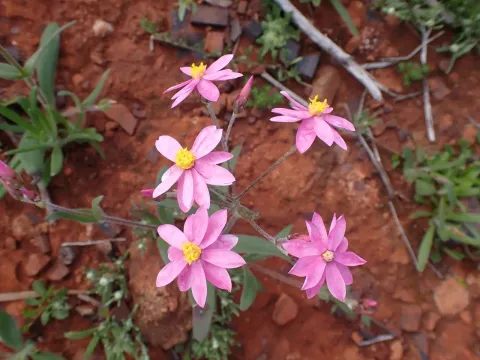
Schoenia
Schoenia
Sowing seeds of Schoenia is best performed in early spring, once the threat of night frost has passed. To obtain high-quality seedlings, seeds should be sown in a light, well-drained substrate mixed with sand.
What the section contains

Schoenia
When using the seedling method, do not bury the seeds too deep as they require light to germinate effectively. The optimal temperature for emergence is approximately 18–22 degrees Celsius.
Transplanting hardened seedlings to open ground should occur once the soil has warmed up sufficiently. It is essential to maintain proper spacing between plants to ensure good air circulation and prevent moisture accumulation.
For direct sowing into open ground, choose well-lit areas with maximum exposure. The best time is late April or early May, depending on the climatic zone and soil temperature.
To ensure uniform emergence when sowing in a permanent location, it is important to maintain consistent, moderate moisture in the substrate until the first true leaves appear.
Schoenia is a genus of annual herbaceous plants in the Asteraceae family, native to the arid regions of Australia. In natural conditions, the culture is adapted to harsh climates with limited water resources.
The plant has high requirements for solar radiation and prefers open areas with full sun exposure. Shade negatively impacts its decorative appearance, causing stems to stretch and weaken.
Soil for successful cultivation must have excellent aeration and drainage. Waterlogging is a critical factor, leading to rapid root system decay due to fungal diseases.
The plant is relatively drought-tolerant; however, it requires occasional watering during the peak flowering season. It is important to water at the base, avoiding splashing water onto the inflorescences.
Fertilizer application should be kept to a minimum. Excess nitrogen stimulates excessive green growth at the expense of flower quality and quantity, reducing the overall ornamental value.
The main threat to Schoenia in high-humidity conditions is fungal diseases, such as root rot and phytophthora. These thrive due to improper watering habits or poor soil permeability.
To prevent fungal infections, it is recommended to use a high-quality drainage layer and avoid waterlogged conditions. Upon the first signs of infection, the affected plant must be removed.
Among pests, slugs and snails pose the greatest threat to young plants, as they actively feed on tender leaves during damp weather. Protective measures such as traps or barriers should be implemented.
Aphid infestations are also possible, as they feed on the sap of young flower stalks. In case of heavy infestation, systematic insecticides approved for ornamental plants should be used.
In greenhouses or confined spaces, Schoenia may be damaged by spider mites in dry air conditions. Regular ventilation is an important agrotechnical measure against this pest.