
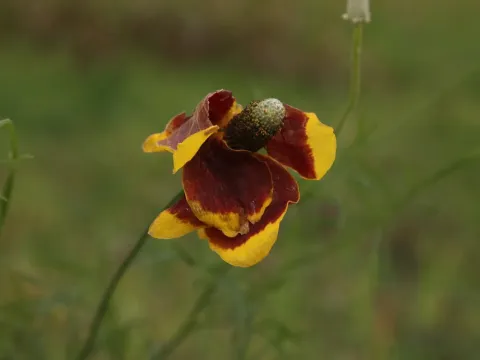
Ratibida
Ratibida
Ratibida seeds perform best when sown outdoors in late autumn, as they require a period of cold stratification to break dormancy. Spring sowing is possible if seeds are pre-chilled in a refrigerator.
What the section contains
Ratibida
For indoor starting, sow seeds in trays about 6–8 weeks before the last expected frost. Use a well-draining seed-starting mix and barely cover the seeds with fine vermiculite, as they need light to germinate.
Keep the growing medium consistently moist but not waterlogged until germination occurs. Once seedlings reach a few inches in height, gradually acclimate them to outdoor conditions before transplanting.
Plant the seedlings in their permanent garden location once all danger of frost has passed. Ensure each plant has enough space to grow, as adequate spacing is essential for plant health.
If sowing directly into the garden, ensure the soil surface is weed-free and lightly raked. Press seeds firmly into the soil to ensure good contact and keep the area lightly misted until sprouts appear.
Ratibida, commonly known as prairie coneflower, is a member of the Asteraceae family native to the North American prairies. It is highly valued for its striking appearance and long-lasting blooms.
This plant thrives in full sun and requires at least six to eight hours of direct light daily. It is exceptionally tolerant of heat and dry spells, making it an excellent choice for low-maintenance landscapes.
Well-drained soil is non-negotiable, as Ratibida can suffer from root rot in heavy, clay-based, or constantly damp soils. It adapts well to sandy or gravelly soil types common in wild meadows.
Maintenance is minimal once the plants are established. Deadheading spent flowers can encourage further blooming throughout the summer, though leaving them can provide seeds for local bird populations.
The plant grows well without regular fertilization. In fact, providing too much nitrogen-rich fertilizer can result in floppy stems and reduced flower production, so keep soil fertility moderate.
Root rot is the most serious threat to Ratibida, usually triggered by poor drainage or overwatering. Improving the drainage profile of the planting site is the best long-term prevention strategy.
Powdery mildew can affect the foliage during periods of high humidity or poor air circulation. To manage this, ensure plants are spaced appropriately and avoid overhead watering in the evenings.
Aphids are common pests that colonize the growing tips and flower buds. While minor infestations are rarely lethal, severe cases may require treatment with insecticidal soaps or neem oil.
Slugs and snails can target young seedlings in the spring. Placing protective barriers or natural slug deterrents around the plants can help save young vegetation during the critical growth phase.
General hygiene, such as removing debris around the base of the plants in late autumn, helps limit the habitat for pests and pathogens. Keeping the planting area clean is essential for long-term vitality.