
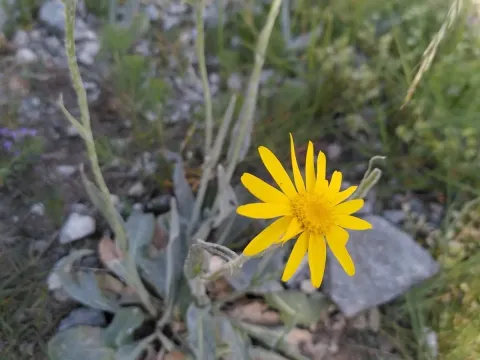
Senecio doronicum
Senecio doronicum
Sowing Senecio doronicum is most effectively achieved through seed propagation in the early spring months. Starting indoors in late winter ensures that seedlings are robust enough for transplantation by late May.
What the section contains
Senecio doronicum
Seeds require a period of cold stratification before sowing to break dormancy. Place the seeds in a moist substrate and keep them in a refrigerator for approximately three weeks before moving them to a warmer environment.
Surface sowing is recommended as the seeds need light to germinate. Press them gently into the soil surface and use a mist sprayer to keep them moist without washing them away into the soil.
Once seedlings have developed two sets of true leaves, transplant them into individual small pots. This stage is critical for developing a strong root system before the plants are moved to their permanent garden location.
Acclimatization, or hardening off, should be performed over a week by gradually increasing the plant's exposure to outdoor conditions. This process reduces transplant shock when moving the perennials to a sunny spot.
Senecio doronicum belongs to the Asteraceae family and is native to alpine mountain meadows. It thrives in conditions that mimic its natural habitat: bright light and well-draining, rocky soils.
The plant requires full sun to maintain its compact growth habit and vibrant yellow flowers. In partial shade, the plant tends to become leggy and often produces fewer blooms throughout the season.
Well-draining, gritty soil is mandatory. If the native soil is heavy clay, gardeners must improve it by adding horticultural sand, gravel, or grit to ensure the roots remain aerated and never waterlogged.
Watering should be managed carefully. While the plants are hardy once established, they benefit from occasional deep watering during extended drought periods in the summer months.
Maintenance involves cutting back old flower stalks after the blooming period ends. This prevents the plant from wasting energy on seed production and encourages potential second flowering in late summer or autumn.
Root rot is the most significant threat to Senecio doronicum, usually triggered by poor drainage or excessive humidity. Ensuring the crown of the plant is kept dry is the primary defense strategy.
Aphids and spider mites are potential pests during the hotter months. Regularly checking the undersides of leaves allows for early detection, and washing the plants with a mild soapy solution often solves the issue.
Slugs and snails can graze on the foliage, especially in wet spring conditions. Using physical barriers like crushed shells or gravel around the base of the plant can deter these pests effectively.
Fungal leaf spots can occur if airflow around the plants is restricted. Maintaining proper spacing during the initial planting phase helps promote air circulation, which reduces the risk of such infections.
Voles and other small burrowing rodents may occasionally disturb the root zone. Protecting the root system during the first year of establishment is crucial for long-term plant survival.