
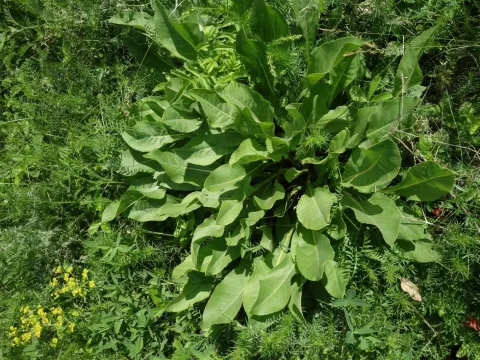
Senecio doria
Senecio doria
Sowing of Senecio doria is primarily performed in early spring once the soil temperature consistently reaches 10-12 degrees Celsius.
What the section contains
Senecio doria
The seeds are small and require shallow burial, usually no deeper than 1-2 centimeters, to ensure proper germination and emergence.
Consistent row spacing of 45-60 centimeters is recommended in commercial farming to facilitate mechanical weeding and crop maintenance.
Stratification of seeds prior to sowing can significantly improve uniformity and overall germination rates in the field environment.
Late autumn planting is also a viable option in milder climates, allowing for early spring growth and better establishment of the root system.
Senecio doria, a member of the Asteraceae family, thrives best in sunny, well-exposed areas with moderate moisture availability.
The plant prefers fertile, well-drained loamy soils but demonstrates adaptability to various soil types if they are not overly compacted.
It is crucial to avoid low-lying areas or wetlands, as waterlogging is extremely detrimental to the development of its perennial roots.
While the species is quite resilient to temperature fluctuations, stable soil moisture levels during the active growth phase are vital.
Routine cultivation, such as loosening the soil surface, helps to ensure oxygen access to the roots and keeps weeds under control.
Crop yields are heavily influenced by the adoption of proper agronomic practices, including scheduled fertilization and consistent irrigation.
Productivity typically peaks from the second year of cultivation as the plant establishes a deep and resilient root system.
Regular maintenance, including weeding and thinning, allows for the maximization of biomass output per hectare of the plantation.
Optimizing the nutritional balance, especially with nitrogen and phosphorus, can significantly enhance the quality of the raw material.
Sustainable farming practices ensure that the crop remains productive over several seasons with minimal loss in volume or biological quality.
Major threats to Senecio doria include common pests like aphids and spider mites, which can cause significant damage to young vegetative growth.
Fungal diseases, including powdery mildew, frequently occur in conditions with poor air circulation or excessive environmental humidity.
Integrated pest management, including biological controls, is highly recommended to protect the crop without relying on harsh chemicals.
Maintaining proper plant density is an essential preventive measure to ensure airflow and reduce the likelihood of disease outbreaks.
Early detection of infestations through frequent field inspections allows for targeted intervention, minimizing the need for broad-spectrum spraying.
The harvest should be conducted during the peak flowering stage to ensure the highest concentration of active compounds in the plant tissue.
Mechanical mowing at a height of 10-15 centimeters is standard practice, which preserves the root base for future regrowth.
Post-harvest management is critical; the raw material should be dried promptly to prevent fermentation and loss of biological quality.
Drying is typically performed in shaded, well-ventilated areas or temperature-controlled facilities to keep temperatures below 45 degrees Celsius.
Once dried to the required moisture level, the product should be stored in cool, dark, and dry conditions to maintain shelf life and potency.