
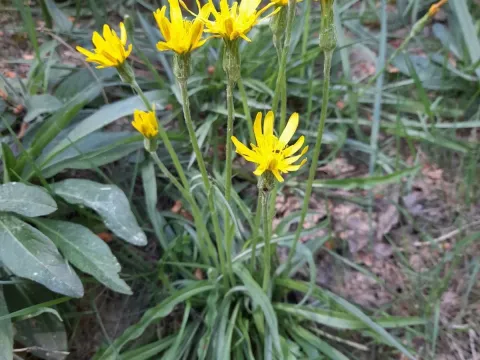
Scorzonera humilis
Scorzonera humilis
Scorzonera humilis, commonly known as low black salsify, is a perennial herbaceous plant belonging to the Asteraceae family. While less commercially prominent than its relative Scorzonera hispanica, it remains a plant of high interest for specialized agriculture.
What the section contains
Scorzonera humilis
Sowing should take place in early spring as soon as the soil is workable. Fall planting is also an option in certain temperate regions, allowing seeds to undergo natural stratification, which often results in more vigorous germination the following spring.
Seeds are sown at a depth of approximately 1.5 to 2 centimeters. Maintaining proper row spacing of about 30 to 40 centimeters is essential for efficient mechanical or manual weeding and aeration throughout the growing season.
Initial growth of Scorzonera humilis is notoriously slow. Providing a weed-free environment in the early stages is crucial, as the young seedlings are not highly competitive against faster-growing weeds.
Once seedlings reach the two-to-three true leaf stage, thinning is performed to establish a final spacing of 15 to 20 centimeters between plants. This density promotes uniform root development and maximizes overall yield.
This crop thrives in sunny locations with deep, fertile, and well-drained soils. Sandy loam or silty loam textures are ideal, as they allow for easy root expansion and harvest without excessive soil compaction.
Scorzonera humilis is remarkably winter-hardy and can withstand significant frost, making it a reliable perennial choice for northern climates where other root crops might suffer from winterkill.
Consistent moisture is key to success. While the plant can tolerate short intervals of drought once established, regular irrigation ensures steady growth and prevents the roots from becoming woody or bitter.
Waterlogged soil must be avoided at all costs, as poor drainage is the primary cause of root rot in Scorzonera species. Sites with high water tables or heavy clay should be amended before planting.
A balanced soil pH of 6.0 to 7.0 is optimal. Incorporating well-rotted organic matter into the soil prior to planting provides necessary nutrients and enhances soil structure for long-term health.
Yield capacity of Scorzonera humilis is highly dependent on climate and management practices. Under optimal conditions, the plant develops substantial fleshy roots that are highly valued for their inulin content.
Regular fertilization with phosphorus and potassium during the growing season encourages root thickening and improves internal quality, directly impacting the marketable value of the harvest.
This crop is often integrated into organic or functional food production cycles. Because of its nutritional profile, there is a niche market for the roots in dietetic and wellness-focused product lines.
The yield can be maximized by keeping the field clear of invasive weeds and ensuring that the soil remains friable. Regular inter-row cultivation helps maintain the necessary soil oxygen levels for healthy root expansion.
Proper harvesting techniques are vital to maintain yield quality. Damage to the root skin during extraction can lead to secondary infections and reduced storage life, thus decreasing the sellable yield.
Scorzonera humilis is prone to common diseases of the Asteraceae family, most notably powdery mildew and various forms of white rot, especially in high-humidity or poorly ventilated conditions.
Pests such as wireworms and aphids are frequent threats. Wireworms can cause significant damage to the roots, rendering them unsellable, while aphids attack the foliage, weakening the entire plant.
Preventative measures include strict crop rotation—avoiding planting on the same site for at least three to four years—and ensuring adequate spacing to promote airflow, which naturally reduces fungal pressure.
In cases of infestation, biological control agents are often preferred to maintain the crop’s organic certification. Monitoring the population density of pests is critical for timely intervention.
- Crop rotation to break pathogen cycles.
- Effective drainage to prevent root-rotting fungi.
- Biological pest control using safe bio-pesticides.
Harvesting usually occurs in late autumn when the foliage starts to senescence. During this time, the roots have finished their primary accumulation of sugars and inulin, ensuring maximum quality.
Roots should be lifted carefully using specialized digging forks. Care must be taken to extract the entire root, as the tip is often fragile and prone to breaking off if the soil is too compacted.
Once harvested, roots should be washed gently and dried in a shaded, well-ventilated area to heal any surface abrasions. Excess foliage should be trimmed, leaving a small stump at the crown.
For long-term storage, the roots should be kept in a cool, humid environment (0–2°C). Storing them in slightly damp sand or peat moss prevents desiccation and keeps the roots crisp.
Proper post-harvest handling is essential to preserve the biological compounds for which Scorzonera humilis is valued. Maintaining a stable, cold environment prevents the conversion of inulin into unwanted sugars.