
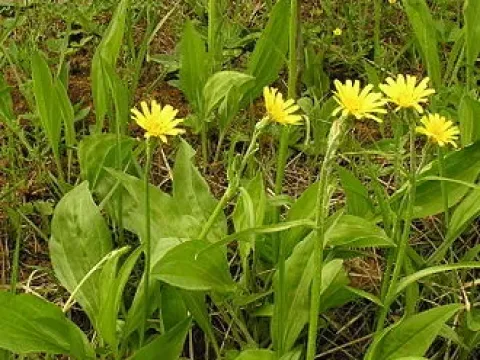
Scorzonera doriae
Scorzonera doriae
Sowing of Scorzonera doriae seeds is carried out in early spring as soon as the soil warms up to a temperature of 8–10 degrees Celsius. For early harvest, winter sowing in late October is acceptable, allowing seeds to undergo a natural stratification process.
What the section contains
Scorzonera doriae
The sowing depth is 2–3 centimeters, depending on the soil texture. An optimal distance between rows for manual maintenance is 30–40 centimeters, which facilitates weeding and loosening of the soil surface throughout the growth cycle.
Seedlings emerge within 15–20 days after sowing. During this time, it is critical to maintain consistent moisture in the top layer of the soil. As the plants develop, they are thinned to an interval of 15 centimeters between individual specimens.
It is not recommended to over-densify the planting, as this negatively impacts root development and may encourage fungal diseases. The culture is characterized by slow initial growth, so intensive weed control during the early stages is of high priority.
Scorzonera doriae is a perennial plant of the Asteraceae family, which is often cultivated as an annual or biennial vegetable crop. It is highly valued for its unique taste of roots, often compared to asparagus or oyster root, making it a specialty produce.
The plant prefers well-lit areas with light, deeply tilled loamy or sandy soils. Ensuring deep groundwater levels is vital, as waterlogging leads to root rot, which significantly lowers the commercial quality of the crop.
The crop is quite frost-hardy, and adult plants are capable of overwintering in the soil even in moderate climates. The optimal temperature range for active vegetation and root formation is between 18 and 22 degrees Celsius.
Soils should have a neutral or slightly alkaline pH, as acidic soils cause root deformation and reduced flavor profile. Organic fertilizers are best applied to the predecessor crop, as fresh manure can cause unwanted branching of the roots.
During dry periods, the crop requires moderate irrigation. It is important to avoid sudden fluctuations in soil moisture to prevent root cracking. Mulching between rows helps preserve soil structure and naturally suppresses weed growth.
Scorzonera doriae responds well to potassium-phosphorus fertilizers, which promote better root maturation and the accumulation of beneficial substances, such as inulin and various biologically active compounds.
The average yield of root vegetables ranges from 2 to 3 kilograms per square meter under standard agrotechnical conditions. The weight of a single commercial root typically varies between 100 and 300 grams.
Productivity is highly dependent on the quality of soil preparation; the deeper the arable layer is loosened, the longer and straighter the roots will grow. Damaging the root tip during maintenance leads to branching, which decreases marketability.
Maximum commercial yield is achieved at the end of the first year of vegetation, before the plant enters the flowering phase. If the crop is left for the second year, the root becomes woody and fibrous, losing its culinary value.
When consumed, the high concentration of inulin is considered, making the product suitable for dietary and diabetic nutrition. The popularity of the crop is increasing due to its ability to be stored for long periods without loss of quality.
To improve yield, regular loosening of the rows is necessary to ensure oxygen access to the root system, which requires intensive gas exchange during the active growth period to support healthy development.
White rot is the most serious disease, often affecting roots under excessive moisture or poor ventilation. It is essential to follow strict crop rotation practices and avoid returning the crop to the same plot within four years.
Powdery mildew may occur, especially during periods of high air humidity and warm nights. Prevention involves maintaining optimal plant spacing and timely removal of any affected leaves to stop the spread of spores.
Pests such as wireworms or mole crickets can cause mechanical damage to the roots, creating tunnels that provide access for secondary infections. Using traps and keeping the field clean from weeds are effective control methods.
Aphids can colonize the aerial parts of the plant during dry spells, hindering overall growth. For control, it is recommended to use biological preparations or natural insecticides that are safe for human consumption.
Leaf rust is occasionally observed under unfavorable climatic conditions. Early detection and the application of broad-spectrum fungicides help prevent the infection from spreading to adjacent plants in the field.
Harvesting is carried out in late autumn, approximately 120–150 days after full emergence. Roots should be carefully dug up with garden forks, taking care not to damage the skin, which is very sensitive to physical impact.
Before storage, roots are thoroughly cleaned of soil, dried in the shade, and the foliage is trimmed, leaving 1–2 centimeter stalks. Avoiding dehydration is crucial to preserve the juiciness of the roots during storage.
Storage is performed in cellars or refrigeration chambers at a temperature of 0–2 degrees Celsius and a relative humidity of 85–90 percent. Under these conditions, roots remain fresh for several months.
A portion of the harvest is often left to overwinter in the soil under a thick layer of mulch, allowing for early spring harvest before new leaves emerge. This increases the value of the crop as a source of early nutrients.
Culinary use involves peeling the dark skin, after which the roots should be placed in acidified water to prevent the darkening of the flesh, which is rich in enzymes that react quickly upon exposure to air.