
Rhodanthe anthemoides
Rhodanthe anthemoides
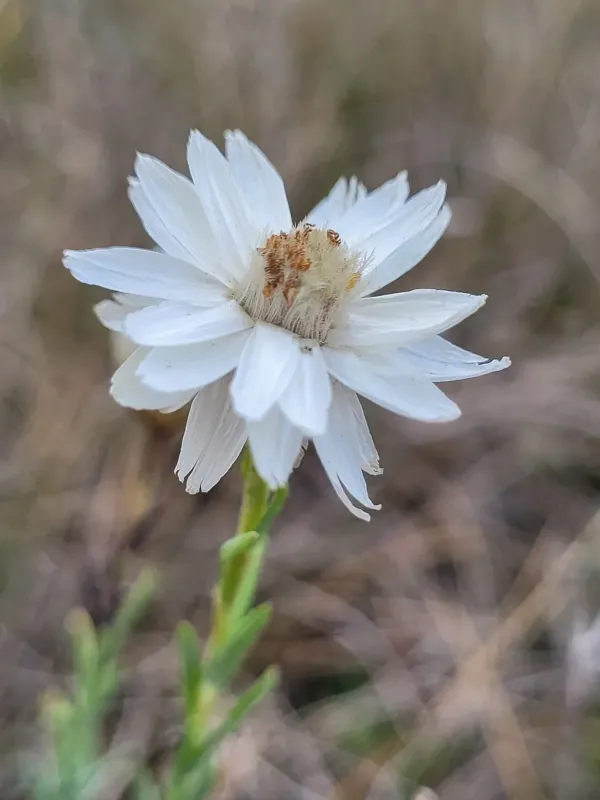
Description
Sowing dates
Sowing Rhodanthe anthemoides in temperate climates should begin after the danger of frost has passed. Seeds have high germination rates but require shallow sowing as they are light-dependent for optimal sprouting.
For indoor propagation, seeds are sown in March or April in a light, well-draining substrate. Maintaining temperatures around 18–20 degrees Celsius is essential for successful seedling development.
Transplanting into the open field should only be carried out once the risk of night frost is gone. A spacing of 20–25 centimeters between plants is recommended to ensure adequate air circulation.
Direct sowing in the ground is an option in regions with mild climates. The soil surface must be well-prepared, loosened, and cleared of any competing weeds before seed application.
While sowing dates can vary by region, the priority is to avoid cold-sensitive periods that could hinder the initial growth stages of this delicate, daisy-like species.
Growing requirements
Rhodanthe anthemoides belongs to the Asteraceae family and originates from Australian regions. It has adapted to thrive in nutrient-poor, rocky soils under abundant sunlight.
To ensure robust growth, the culture requires a location with maximum sun exposure throughout the day. Shade leads to elongated stems and a significant reduction in flower production.
The most critical requirement for this plant is excellent soil drainage. Waterlogged conditions are detrimental to the roots and rapidly trigger decay, leading to plant mortality.
The plant is highly drought-tolerant, meaning excessive irrigation is counterproductive. Moderate watering should only be applied during the early growth phases until the budding stage.
Neutral or slightly acidic, well-drained soils are ideal. Avoid heavy fertilization, particularly nitrogen-rich ones, which encourage excessive foliage at the expense of flower quality.
Main diseases and pests
Rhodanthe anthemoides is susceptible to fungal diseases, particularly when humidity levels remain high for extended periods. Powdery mildew can occur if air circulation is insufficient.
Root rot is a common issue caused by poor drainage or overwatering. Prevention relies on strictly controlling soil moisture and ensuring that water does not pool around the base of the plant.
Pests such as aphids and spider mites can attack the plants, especially in dry weather. Regular monitoring of the foliage helps detect early signs of infestation for prompt management.
Slugs and snails may pose a threat to young seedlings. Implementing physical barriers or using sustainable pest control measures is recommended to minimize damage during the early spring.
Overall, the plant maintains a strong natural resilience. Most cultivation issues are mitigated by proper site selection, appropriate soil drainage, and maintaining an optimal light environment.
Harvesting
Harvesting Rhodanthe anthemoides for use as everlasting flowers requires precise timing. The stems should be cut during the semi-bud phase, while the petals are still tightly closed.
If harvested too late, the flowers will open fully, leading to premature shedding and loss of aesthetic quality during the drying process. Early cutting ensures the longest shelf life.
Cut stems should be tied in small bunches and hung upside down in a shaded, dry, and well-ventilated area to dry completely. This method preserves the shape of the flowers.
The drying process typically lasts for about two weeks. Once dry, the stems become rigid, and the flowers retain their original structure and delicate appearance for long-term decorative use.
Finished dried flowers are highly sought after for floral arrangements, wreaths, and various interior designs due to their exceptional durability and unique aesthetic charm.