
Rhodanthe humboldtiana
Rhodanthe humboldtiana (Gaudich.) Paul G. Wilson
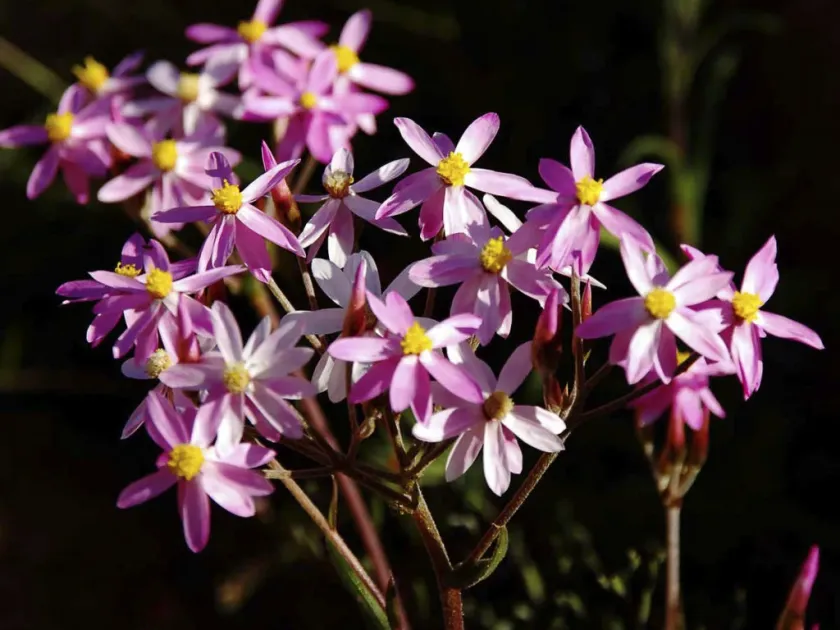
Description
Sowing dates
Rhodanthe humboldtiana is an annual herb that requires specific thermal conditions for germination. In professional cultivation, seeds are sown in early spring inside controlled greenhouse environments to ensure a stable development start.
The seeds are small and should be sown on the surface of a light, well-draining sterile substrate. They require light for successful germination, so covering them with a thin layer of fine sand or vermiculite is usually sufficient.
Maintaining a temperature range of 18-22 degrees Celsius is critical during the initial growth phase. Once seedlings reach the stage of two true leaves, they should be carefully pricked out into individual pots to minimize root disturbance.
Transplanting into the field is carried out only after all frost risks have completely passed. The soil temperature must be consistently warm to prevent the shock that significantly stunts the growth of this heat-loving species.
Proper spacing is essential to ensure adequate airflow. A density of approximately 16-20 plants per square meter is considered optimal for producing high-quality uniform stems suitable for commercial floral markets.
Growing requirements
Native to the arid regions of Western Australia, this plant belongs to the Asteraceae family and is exceptionally adapted to bright, direct sunlight. It thrives in environments where light intensity is high and humidity remains moderate.
Soil requirements are strict regarding drainage. Sandy or stony soils with low nutrient content are preferred, as rich soils encourage excessive vegetative growth at the expense of floral output and structural integrity.
The plant is highly drought-tolerant once established. While light irrigation is beneficial during the flower formation period, water stagnation is the most common cause of crop failure, leading to root rot and collar rot.
Fertilization should be kept to a minimum. A balanced, low-nitrogen soluble fertilizer applied early in the growth stage is usually sufficient to support healthy flower development without causing leggy growth.
Protection from strong winds is highly recommended, especially in commercial production. The tall, slender stems of Rhodanthe humboldtiana can be easily damaged, reducing the overall quality of the harvest for professional floristry.
Main diseases and pests
The primary threats to Rhodanthe humboldtiana are fungal pathogens associated with excessive moisture and poor air circulation. Botrytis blight is a significant concern during periods of high humidity and cloudy weather.
Root rot, specifically species like Pythium and Phytophthora, frequently occurs if the substrate remains saturated for prolonged periods. Ensuring excellent field drainage or using elevated beds is the best prophylactic measure.
Aphids can cause damage to the tender shoot tips during the early stages of growth, potentially spreading viral diseases. Regular monitoring and the use of integrated pest management are necessary to protect the crop.
Thrips may also pose a problem, damaging the floral buds and causing deformities in the petals. Using sticky traps and timely, selective insecticide applications can help maintain crop hygiene throughout the season.
Weed control is vital during the first few weeks after planting. As the plant has a relatively slow initial growth rate, it is highly susceptible to competition from fast-growing weeds that can shade out the young seedlings.
Harvesting
Harvesting for the dried flower market must be timed precisely. The ideal moment is when the flower buds are beginning to open, but before the central disc becomes fully visible or the petals start to drop.
Cut stems should be bundled immediately and hung upside down in a dark, cool, and well-ventilated drying room. Complete darkness is essential to maintain the natural vibrant pigments of the flowers during the curing process.
Drying typically takes 10 to 14 days, depending on ambient humidity levels. Once properly dried, the flowers become brittle but retain their structural shape, making them ideal for long-term decorative use.
The final product is highly valued for its elegant appearance and longevity. It is widely used in high-end floral arrangements, wreaths, and permanent botanical installations that require durable, natural materials.
Proper storage of the dried product is key to maintaining quality over time. Storing the bundles in moisture-proof containers in a cool, dark environment will preserve their aesthetic value for several seasons.