
Podospermum roseum
Podospermum roseum
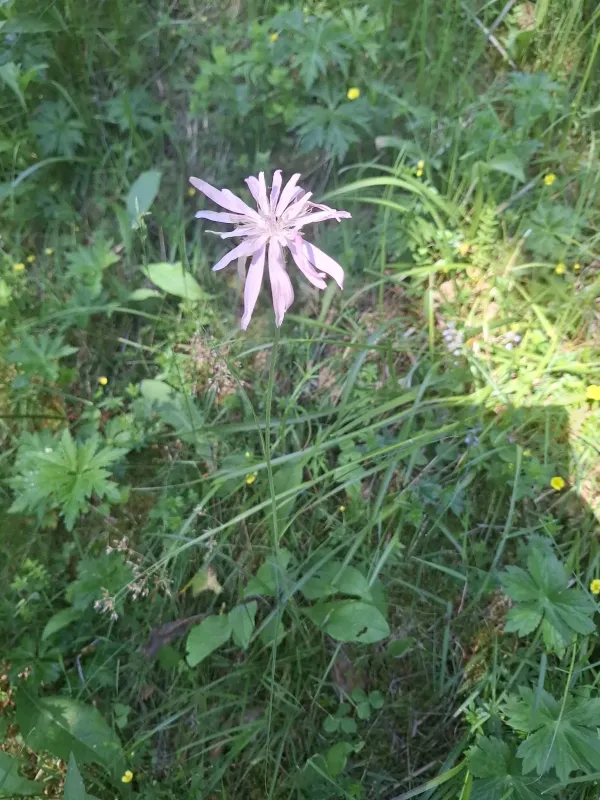
Description
Sowing dates
Podospermum roseum is a member of the Asteraceae family, known for its resilience and botanical traits. The plant is typically propagated by seeds, which should be sown in early spring when soil conditions are optimal for germination.
The recommended sowing depth is 1.5 to 2 centimeters. This depth ensures that the seeds have enough moisture contact while not struggling to break through the soil surface during the initial emergence phase.
Field spacing is essential for plant productivity. Maintaining row widths of approximately 30–45 centimeters allows for proper air circulation and efficient mechanical weeding, which reduces competition from invasive species.
The germination period usually lasts between 12 and 18 days depending on the soil temperature and moisture levels. Consistent moisture during this phase is vital to ensure high plant density in the established field.
Once established, the plant focuses on developing a deep taproot, which is a characteristic feature of this species. This structural development supports the plant's long-term endurance in varying field environments.
Growing requirements
Podospermum roseum thrives in well-drained, calcareous soils. It is highly sensitive to waterlogging, as standing water can lead to root degradation and hinder the plant's overall development and nutrient uptake.
The species is light-demanding and should be cultivated in open, sunny fields. Adequate solar radiation is critical for the biomass accumulation process and the overall health of the vegetative parts.
The optimal soil pH range for this crop is between 6.5 and 7.8. If the soil is too acidic, liming should be performed well in advance to adjust the chemical balance and promote better growth conditions.
While the plant is drought-tolerant once mature, it requires consistent water availability during the early growth stages. Supplementary irrigation is recommended in arid regions to maintain growth rates during dry spells.
Adequate soil aeration is fundamental. Compaction of the topsoil can significantly impede the development of the taproot, so shallow cultivation or subsoiling may be necessary in heavy soil types to ensure oxygen flow to the roots.
Main diseases and pests
Fungal pathogens are the primary biological threats to Podospermum roseum, particularly in humid climates. Leaf rust and powdery mildew can significantly diminish photosynthetic efficiency if left unmanaged.
Root rot is another major issue, often linked to excessive irrigation or poor drainage. Preventing this requires careful water management and rotating crops to break the lifecycle of soil-borne pathogens.
Insect pests, specifically aphids, often congregate on the tender leaves and stems, sucking the sap and weakening the plant. Early detection and targeted treatment can prevent large-scale infestations.
Wireworms can be detrimental by attacking the taproot from below. Field preparation techniques, such as proper plowing and avoiding planting after perennial grasses, can mitigate the risk of such damage.
Effective crop protection relies on a mix of preventive measures, including clean field borders and balanced fertilizer application. Avoiding excessive nitrogen helps prevent lush, soft growth that is more attractive to insects and fungal pathogens.