
Piptocoma discolor
Piptocoma discolor
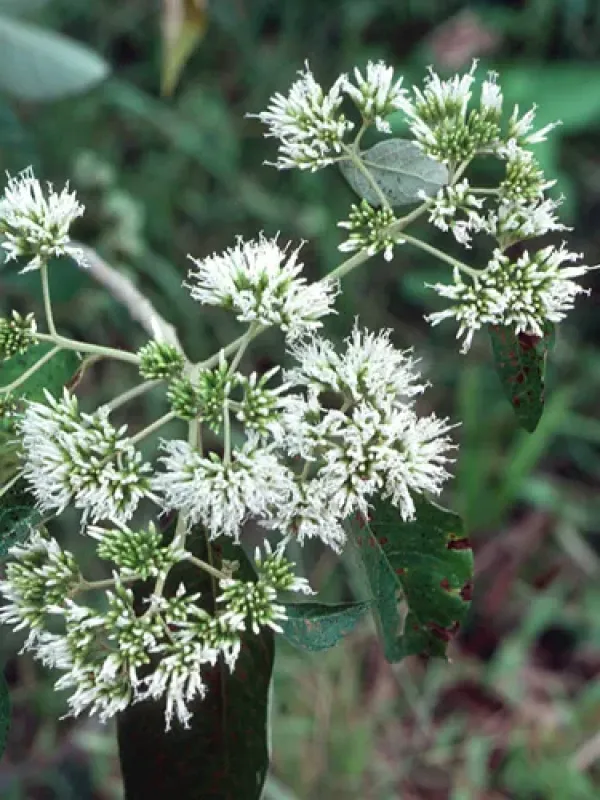
Description
Growing requirements
Piptocoma discolor is a distinctive woody plant species belonging to the Asteraceae family. Known for its role in tropical forest ecosystems, it serves as a critical structural component in the canopy layer of its native Caribbean habitats, particularly in Puerto Rico.
The species thrives in warm, humid tropical environments where rainfall is abundant. It has adapted to the specific microclimates of mountainous forest regions, where consistent moisture and high temperatures support rapid vegetative development throughout the year.
Regarding soil requirements, Piptocoma discolor favors well-drained, nutrient-rich substrates. It is essential to ensure that the site provides excellent water permeability, as the root system is susceptible to decay if subjected to prolonged waterlogging during peak rainy seasons.
In terms of light exposure, the plant shows versatility. While saplings benefit from filtered light under the forest canopy, mature trees are well-adapted to full sun exposure, which is necessary for optimal biomass production and the development of a dense, healthy crown.
Agricultural and forestry usage is primarily focused on reforestation projects. Due to its resilience and rapid growth characteristics, it is often utilized to stabilize slopes and restore the integrity of disturbed tropical forest lands, providing essential ecological services.
Main diseases and pests
Fungal pathogens represent the primary biological threat to Piptocoma discolor, particularly in high-humidity environments. These infections can manifest as leaf spots or stem lesions, which may significantly inhibit the physiological functions of the plant if left unmanaged.
Insect pests, including various species of defoliating larvae, pose a constant challenge to the plant's health. Regular monitoring of the foliage is crucial, as mass infestations can strip a tree of its leaves, weakening it and making it vulnerable to secondary stressors.
Root zone pests also contribute to the threat profile, potentially causing stunted growth. Implementing soil management practices that favor root health is a fundamental aspect of maintaining a vigorous and resilient plantation of this species.
Environmental threats such as severe wind events and hurricanes can cause significant structural damage. Developing windbreaks or planting in naturally protected topographic depressions is a common strategy to mitigate the risk of stem breakage.
Management of these threats involves a combination of preventative cultural practices and, where necessary, targeted protective measures. Integrated pest management (IPM) is highly recommended to ensure the long-term sustainability of Piptocoma discolor populations.