
Piptocarpha poeppigiana
Piptocarpha poeppigiana
Description
Growing requirements
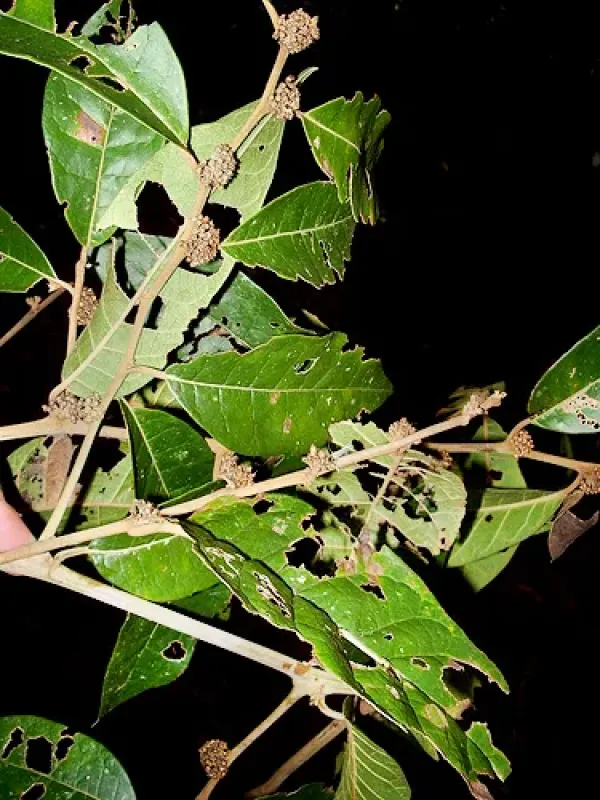
Piptocarpha poeppigiana is a tree species belonging to the Asteraceae family. While the Asteraceae family is famously dominated by herbaceous plants, this genus represents an interesting evolution of woody growth forms within the tropics. It typically functions as a mid-story or canopy tree within its native habitats in Central and South America.
The cultural requirements for this species are centered on a tropical climate. It thrives in regions with consistently high rainfall and warm temperatures throughout the year. It does not tolerate frost or cold stress, meaning its cultivation is strictly limited to tropical or high-latitude subtropical environments where the temperature remains stable.
Soil preferences for Piptocarpha poeppigiana include well-drained, nutrient-rich soils. The tree performs best in substrates that allow for deep root penetration, which helps the plant stabilize itself against heavy tropical rains. While it is adaptable to various soil types, maintaining adequate moisture levels while avoiding waterlogging is the primary challenge in its management.
From a forestry and agricultural perspective, the tree is recognized for its utility in ecosystem restoration. Due to its rapid growth rate, it is frequently included in reforestation programs aimed at restoring degraded tropical forest areas. Its biomass contribution is significant, helping to cycle nutrients back into the soil and improve overall forest health.
Botanically, the plant produces specialized inflorescences typical of the daisy family, arranged to maximize pollination efficiency. The wood quality is suitable for local artisanal uses, and the species is valued for its ability to maintain soil structure on slopes. Proper management of this species involves monitoring seedling health and ensuring that enough light reaches the saplings to encourage vertical growth.