
Piptocarpha angustifolia
Piptocarpha angustifolia
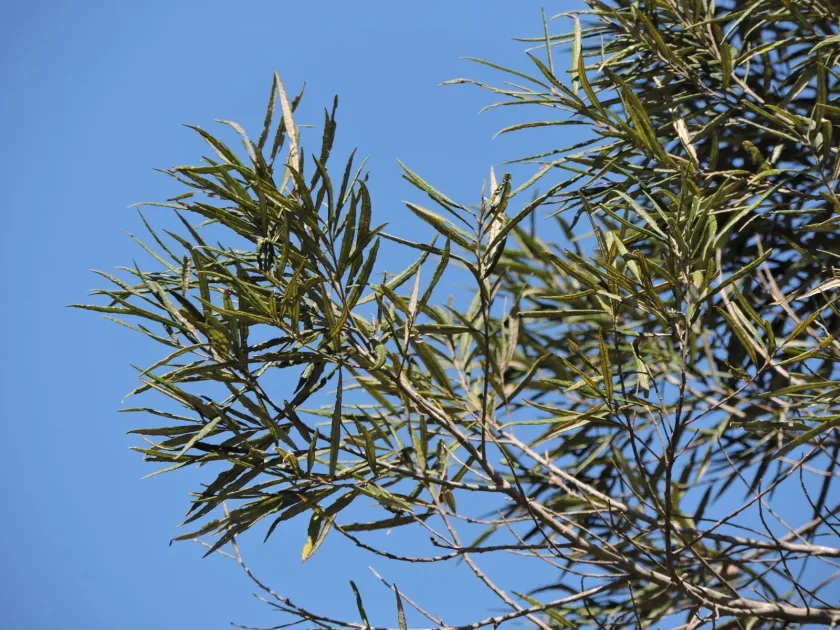
Description
Growing requirements
Piptocarpha angustifolia is a woody plant species belonging to the Asteraceae family. Originating from the tropical regions of South America, it thrives in environments characterized by constant warmth and high humidity, primarily in forest ecosystems.
The plant requires deep, fertile, and well-drained soils to sustain its vegetative growth. It is adapted to the competitive environment of tropical forests, where its narrow leaves allow for efficient light interception in the canopy layers.
Botanical classification places it as a tree or large shrub. Its physiological processes are geared towards rapid biomass accumulation, provided that climatic conditions remain within its preferred thermal range throughout the year.
Agricultural management of Piptocarpha angustifolia focuses on creating favorable conditions for its structural development. This involves regular monitoring of soil nutrition and moisture, as well as providing adequate space for its root system to expand without obstruction.
The species holds potential in agricultural and forestry systems where biomass production is a key goal. Maintaining the correct soil pH is vital for nutrient uptake, ensuring that the plant reaches its full physiological potential during the active growing season.
Main diseases and pests
The primary threats to Piptocarpha angustifolia include fungal infections that proliferate during wet, humid weather conditions. These pathogens can cause significant foliar damage, leading to reduced photosynthetic capacity.
Insect pests such as sap-sucking insects and leaf-eating caterpillars pose a continuous challenge for growers. Regular scouting of the canopy is essential to prevent infestations from reaching economic damage thresholds.
Waterlogging remains a significant risk factor, as it restricts oxygen availability to the roots and facilitates the onset of root rot. Ensuring effective drainage is the most critical preventative measure for long-term health.
Improper spacing between individuals can create microclimates that are overly conducive to pest outbreaks and disease transmission. Adequate plant density is required to maintain airflow and discourage pathogen establishment.
Integrated pest management strategies should be employed to control risks. These include the use of resistant stock, appropriate fertilization to bolster plant immunity, and timely application of bio-controls when necessary.