
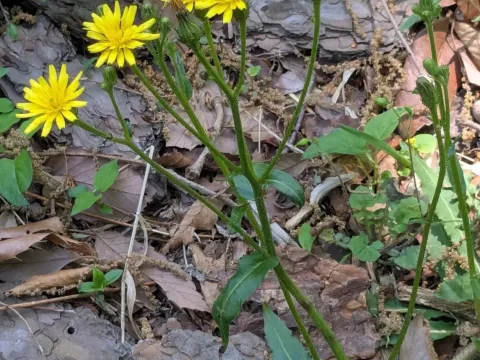
Japanese picris
Picris japonica
Japanese picris is a resilient member of the Asteraceae family that requires specific soil preparation to ensure optimal germination and seedling establishment.
What the section contains
Japanese picris
The sowing season typically begins in early spring, once the soil has warmed sufficiently, allowing for consistent growth across the entire field area.
Seeds should be planted at a shallow depth of approximately 1 centimeter, as they are relatively small and need to conserve energy for the initial sprout development.
Row planting with spacing of 30 to 45 centimeters allows for efficient mechanical weeding and ensures that each plant receives adequate access to sunlight.
It is recommended to maintain a steady moisture level in the soil immediately after sowing to encourage even and synchronized germination throughout the field.
This crop thrives in well-drained, fertile soil, ideally with a neutral pH level, which promotes healthy root development and efficient nutrient uptake.
Full sun exposure is crucial for the plant to achieve its potential, as shade can negatively impact the density of the foliage and the overall vigor of the crop.
Although the plant is quite hardy, it responds well to consistent irrigation during dry spells to maintain high-quality vegetative growth throughout the season.
Temperature management is important; the plant prefers moderate climates, typically growing best within the range of 15 to 25 degrees Celsius.
Integrating organic matter, such as compost, into the soil prior to planting provides a long-term supply of essential minerals that support plant immunity.
Common health issues in Japanese picris often stem from excessive humidity, which can lead to fungal conditions like powdery mildew or stem rot.
Maintaining proper airflow between rows is a simple yet effective way to reduce the risk of humidity-related diseases throughout the summer months.
Pest management should focus on monitoring for aphids and similar sap-sucking insects that can weaken young plants and reduce total yield.
Utilizing integrated pest management techniques, such as encouraging beneficial insects, can help keep pest populations below the threshold for crop damage.
Regular field scouting allows farmers to intervene early if symptoms of disease or pest infestation appear, protecting the health of the entire crop batch.
Harvesting is best conducted during the flowering stage, which ensures the highest concentration of active compounds and optimal weight of the green mass.
The plants are mowed using clean equipment, leaving a stubble of about 5–10 centimeters to allow for potential regrowth of subsequent harvests.
Post-harvest processing involves drying the plant material in well-ventilated, shaded areas to prevent degradation of its essential components by UV rays.
Once dried to the appropriate moisture content, the crop should be stored in containers that provide protection from moisture and direct sunlight.
Properly stored product maintains its quality, making it suitable for its various end-use applications, whether in medicine or specialized animal feed sectors.