
Jaumea
Jaumea
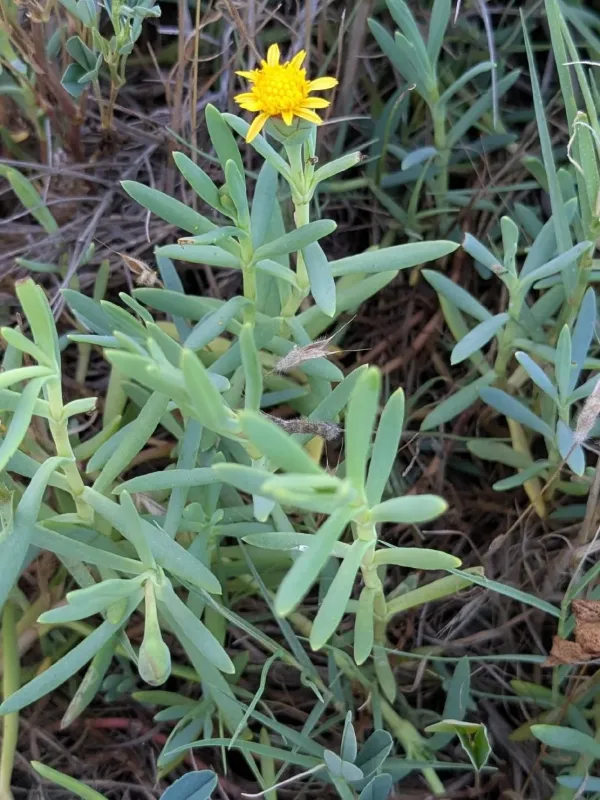
Description
Growing requirements
Jaumea is a genus of perennial herbs belonging to the Asteraceae family. These plants are true halophytes, uniquely adapted to survive in saline environments such as coastal salt marshes and estuaries.
The native range of the genus is primarily centered along the Pacific coast of North America. It thrives in intertidal zones where plants are subjected to regular tidal flooding and high salinity in the root zone.
Botanically, Jaumea is characterized by succulent, fleshy leaves that store water and dilute the concentration of absorbed salts. This anatomical adaptation is crucial for maintaining cellular functions in extreme chemical environments.
Growth requirements include consistent soil moisture and full sun exposure. The plant relies on the specific hydrological cycle of the marsh to obtain necessary water and nutrients while flushing out excess toxins.
In terms of practical use, Jaumea serves an ecological role in soil bioremediation. Its ability to sequester minerals makes it a subject of interest for projects aimed at stabilizing coastal sediments and managing high-saline soils.
Main diseases and pests
The main threats to Jaumea are habitat loss due to coastal development and rising sea levels. Changes in the salinity levels or depth of tidal inundation can severely stress existing populations.
While the plant is naturally resistant to many pests due to its saline tissues, root rot can occur if soil aeration is compromised or if drainage becomes stagnant due to human interference in the marsh topography.
Invasive weed species pose a significant threat to Jaumea by competing for limited space and light. As the balance of the salt marsh shifts, less resilient species may be overwhelmed by faster-growing vegetation.
Pests such as aphids may occasionally appear during the flowering stage, though they rarely cause significant economic damage in natural settings. Integrated pest management in cultivation should focus on biological control.
Effective management requires preserving the integrity of the coastal ecosystem. Because chemical interventions are largely incompatible with the sensitive salt marsh environment, maintaining natural drainage and water quality is the primary line of defense.