
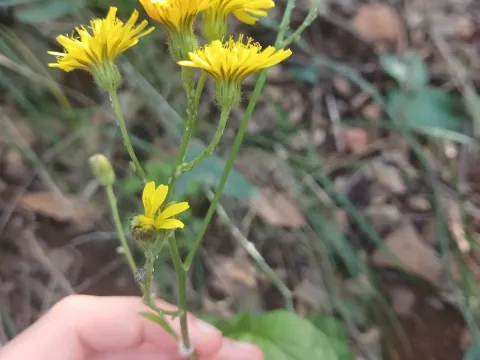
Jerusalem hawksbeard
Crepis hierosolymitana
Jerusalem hawksbeard (Crepis hierosolymitana) is a member of the Asteraceae family. As a herbaceous plant, it is often found in various landscapes, showing significant adaptability to diverse environmental conditions across its native range.
What the section contains
Jerusalem hawksbeard
The seeds of this species are equipped with a pappus, which facilitates wind-assisted dispersal. In a managed setting, sowing should be conducted in early spring, allowing seeds to germinate as soon as soil temperatures reach favorable levels for growth.
Seeds require a shallow planting depth, typically no more than 1 cm, to ensure they have enough access to light, which is crucial for successful emergence. Lightly rolling the soil after sowing helps ensure proper seed-to-soil contact.
Given its biological characteristics, the plant develops a rosette of leaves during the initial growth phase. This stage is vital for accumulating the energy necessary for subsequent bolting and flowering in the following weeks.
Agricultural management during the seedling stage involves maintaining adequate soil moisture and preventing competition from other invasive species that might hinder the initial development of the hawksbeard stand.
This crop thrives in open, sunny locations where it can receive maximum exposure to sunlight. It is highly suited for Mediterranean-type climates, although it has demonstrated the ability to adapt to cooler temperate conditions as well.
Regarding soil preferences, it favors well-drained, fertile soil. It is particularly sensitive to waterlogging, so sites with good natural or artificial drainage are highly recommended to prevent root damage and promote robust plant health.
Soil pH should ideally be neutral to slightly alkaline. The plant displays good resilience to fluctuating moisture levels once established, making it a reliable choice for areas with unpredictable weather patterns.
In terms of temperature, it exhibits good frost tolerance during the rosette stage, which allows it to survive colder winters before entering a rapid growth phase during the warmer months of spring.
Regular monitoring of soil fertility is beneficial, although the plant does not require heavy fertilization. Providing essential nutrients in moderation supports optimal vegetative biomass production without encouraging excessive, weak growth.
Like many species within the Asteraceae family, the plant can be susceptible to powdery mildew, particularly when growing conditions involve high humidity and poor air circulation within the plant stand.
Pests such as aphids and various larvae can damage the foliage and developing buds. Integrated pest management strategies, focusing on biological controls and timely inspection, are effective in mitigating the damage caused by these insects.
Root rot is another significant concern, generally associated with poor soil structure or overwatering. Proper field preparation, including the incorporation of organic matter to improve drainage, is the best preventive measure.
The presence of competing weeds can significantly impede the development of Crepis hierosolymitana. Ensuring that the site is cleared of aggressive competitors before sowing is essential for achieving a uniform stand.
Maintaining a balanced approach to irrigation and fertility helps strengthen the plant's natural defense mechanisms against common diseases, ensuring a healthy and productive crop cycle throughout the season.