
Japanese mugwort
Artemisia japonica
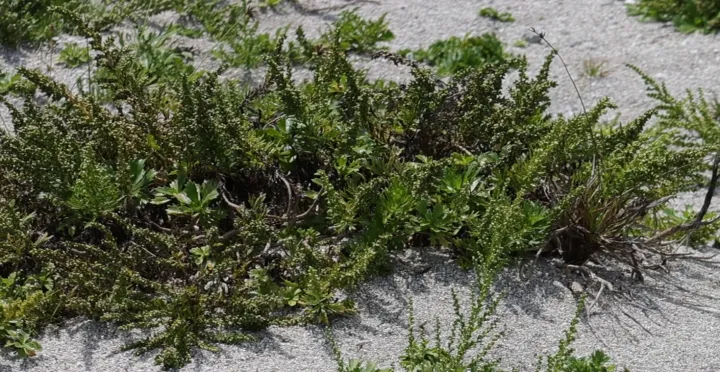
Description
Growing requirements
Japanese mugwort (Artemisia japonica) is a perennial herbaceous plant belonging to the Asteraceae family. Native to East Asia, it has been cultivated for centuries due to its resilient nature and significant role in traditional herbal practices.
The crop thrives in well-drained, fertile soils with a neutral pH level. It shows excellent adaptability to varying soil structures, from sandy loams to heavier silt-based lands, provided that waterlogging is strictly avoided to prevent root diseases.
This species is highly drought-tolerant, making it an ideal candidate for low-input agricultural systems. It prefers full sun exposure to maximize the synthesis of essential oils and bioactive compounds present in its foliage and stems.
Cultivation practices involve mechanical weed control and moderate fertilization during the spring growth flush. Proper row spacing is essential to ensure adequate air circulation, which helps maintain the health of the dense foliage throughout the season.
Commercial applications are diverse, ranging from the extraction of pharmaceutical compounds to the production of cosmetic ingredients. Its antimicrobial and anti-inflammatory properties make it a highly valued raw material in the natural products industry.
Main diseases and pests
The primary diseases affecting Artemisia japonica include powdery mildew and various rust fungi. These usually appear in conditions of high humidity or poor ventilation, requiring growers to maintain optimal spacing between plants.
Insect pests, such as aphids and spider mites, can occasionally damage the tender leaves. Effective pest management involves integrated strategies, such as promoting beneficial predatory insects and timely inspection of the crop fields.