
Phalacrocarpum hoffmannseggii
Phalacrocarpum hoffmannseggii
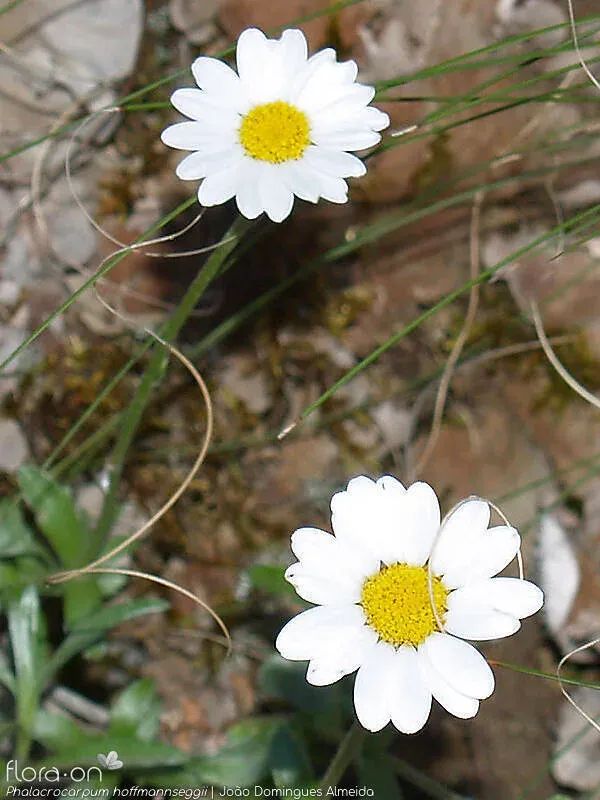
Description
Growing requirements
Phalacrocarpum hoffmannseggii is a perennial herbaceous plant belonging to the Asteraceae family. This species is native to the Iberian Peninsula, where it typically inhabits rocky mountainous terrain with specific microclimatic conditions.
The plant thrives in well-drained, nutrient-poor, and stony soils. Its evolutionary adaptation to harsh alpine environments allows it to tolerate low fertility levels, making it a highly resilient species when managed in appropriate rocky substrates.
Sunlight is the primary requirement for its development. As a heliophilous species, it demands exposure to direct, intense light to ensure healthy vegetative growth and to maintain the chemical composition of its tissues.
Regarding climate, the plant is adapted to Mediterranean mountain conditions. It prefers moderate humidity and is capable of enduring significant diurnal temperature variations, which are characteristic of its native habitat.
Standard agronomic practices emphasize the importance of drainage. Overwatering is the most common error in cultivation, as the root system requires significant oxygen flow and is highly prone to rot in waterlogged environments.
Main diseases and pests
Root rot remains the most significant threat to the survival of this crop. This condition is primarily induced by poor soil drainage and stagnant moisture, which promote the proliferation of soil-borne pathogens.
Aphid infestations may occur, particularly during warmer, drier months. Monitoring the leaf surfaces during the early development stages is essential to prevent significant damage to the plant's metabolic capacity.
Powdery mildew can affect the plants if they are kept in conditions of poor air circulation. Proper spacing between individual plants is necessary to minimize the humidity levels around the foliage and prevent disease.
Lepidoptera larvae can feed on the flower buds and leaves. While not usually lethal to established plants, this damage can reduce the overall health and reproductive success of the crop in a cultivated setting.
Effective management includes regular monitoring of soil structure and the use of preventative cultural practices that focus on maintaining optimal aeration and minimizing humidity around the plant base.