
Phalacrocarpum oppositifolium
Phalacrocarpum oppositifolium
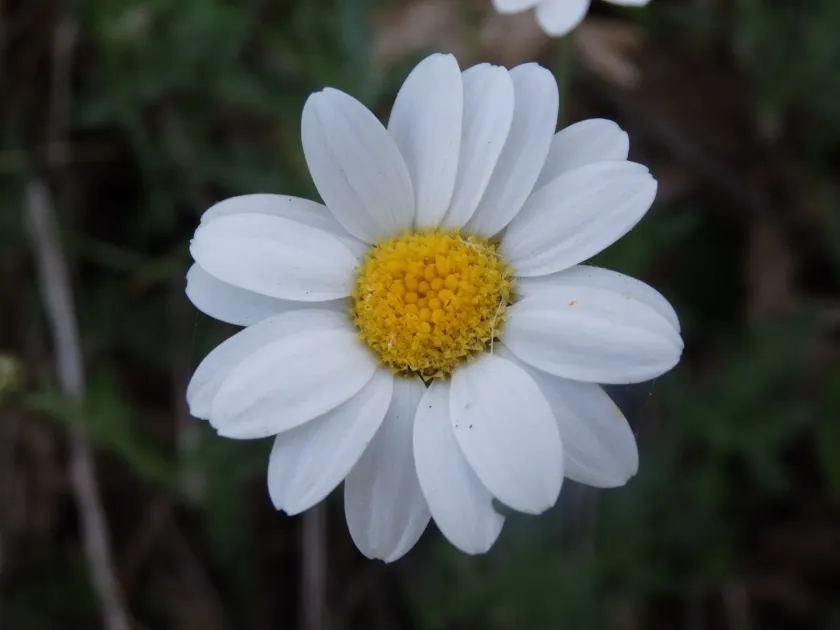
Description
Growing requirements
Phalacrocarpum oppositifolium is a perennial herbaceous plant belonging to the Asteraceae family. It is naturally found in mountainous regions, where it has evolved to thrive in specialized ecological niches characterized by high altitude.
The plant requires well-drained, gritty, or rocky soil to survive. Its root system is particularly sensitive to soil moisture levels, and waterlogging in the root zone is a common cause of failure in agricultural or garden settings.
Sufficient sunlight is essential for the healthy development of this species. It is considered a light-demanding plant, and providing full sun exposure is key to maintaining its compact growth habit and encouraging successful blooming cycles.
Climate requirements include cool to moderate temperatures and a clear distinction between the growing season and the winter dormant phase. Providing an environment that mimics alpine conditions is critical for the long-term sustainability of the planting.
In terms of agricultural and horticultural use, the plant is valued for its ornamental appeal in rock gardens. Its unique morphological characteristics make it an excellent choice for xeriscaping, where minimal maintenance and high durability are desired.
Main diseases and pests
The primary threat to the health of Phalacrocarpum oppositifolium is root rot, typically caused by excess water retention in the soil. Proper drainage is the most effective defense against various soil-borne pathogens that target the root system.
Pests such as aphids can occasionally infest the foliage during the peak growing season. While usually not fatal in small numbers, severe infestations can lead to decreased vigor and distorted plant growth, requiring immediate management.
Maintaining proper air circulation is vital to prevent fungal infections, especially in humid climates where the plant may not be natively adapted. Good spacing between individual plants helps mitigate the risk of spreading infections.
Weed control is critical during the initial establishment phase of the plant. Since it is a relatively slow-growing species, weeds can easily outcompete it for nutrients and space if left unmanaged during the early months.
Integrated pest management strategies should be applied to keep the plant in peak condition. Regular monitoring for signs of stress or pests allows for localized treatment, ensuring that the plant remains healthy and aesthetic throughout its lifespan.