
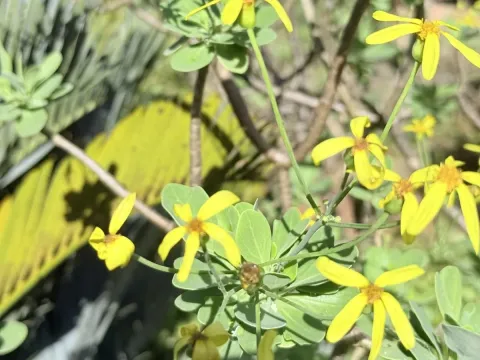
Othonna triplinervia
Othonna triplinervia
Othonna triplinervia is a rare succulent species belonging to the Asteraceae family. Originating from the arid regions of Southern Africa, this plant has evolved to thrive in environments with extremely limited water availability.
What the section contains
Othonna triplinervia
The plant exhibits distinct botanical characteristics, including fleshy, succulent leaves designed to store water during periods of drought. It requires a substrate that mimics its native habitat, specifically porous, well-draining soil mixes.
For successful cultivation, high light intensity is a critical requirement. Without sufficient solar exposure, the plant will lose its compact form and health, becoming prone to etiolation and structural weakness.
Agrotechnical management requires strict control over moisture levels. Watering should be infrequent, allowing the soil to dry out completely between sessions to prevent root asphyxiation and rot.
The primary use of Othonna triplinervia is within the ornamental sector, specifically for collectors of succulent plants and professional xeriscaping projects that require specialized, low-water flora.
Root rot is the most significant threat to this species, usually caused by poor drainage or excessive watering regimes in cooler conditions.
Mealybugs are the most common pests, which often hide in the crevices of the foliage, requiring careful manual removal or targeted systemic treatments.
Spider mites may affect the plant during periods of low humidity and high heat, necessitating regular monitoring of the foliage health.
Maintaining proper airflow around the plant is essential to reduce the risk of mold and fungal infections occurring on the succulent tissues.
Preventative care involves using clean, sterile media and ensuring that all containers have ample drainage holes to prevent water retention.