
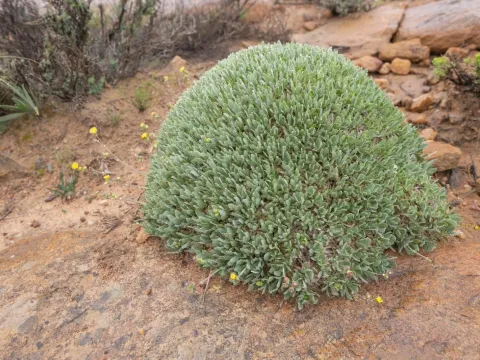
Othonna retrorsa
Othonna retrorsa
Sowing Othonna retrorsa seeds is best performed during the autumn months to align with the plant’s natural growth cycle, which favors cooler temperatures. Use a well-draining substrate mix consisting primarily of coarse sand and finely screened pumice or perlite.
What the section contains
Othonna retrorsa
Seed trays should be kept in a location with bright, indirect light to encourage healthy development. Maintaining a consistent ambient temperature between 15 and 18 degrees Celsius is essential for successful germination and early stage viability.
Once the seedlings develop their first true leaves, gradually increase light exposure and ensure adequate air circulation to prevent damping-off. Potting up should be delayed until the root system has matured sufficiently to handle the disturbance.
Fresh seeds are recommended for sowing, as the viability of Othonna species tends to decline significantly after one season of storage. Surface sowing with a very light dusting of sand helps maintain the necessary seed-to-soil contact.
Germination usually takes between three to four weeks, provided that moisture levels are monitored closely. Over-saturation at this stage will inevitably lead to the loss of the fragile seedling population.
Othonna retrorsa is a fascinating succulent belonging to the Asteraceae family, originating from the arid regions of South Africa. It is highly adapted to extreme fluctuations in water availability and relies on its tuberous root system to survive.
The plant requires full sun exposure during its active growth period, although it needs protection from the intense midday sun in its native habitat. During the summer dormancy period, the plant must be placed in a shaded area to avoid heat stress.
Soil requirements focus on extreme drainage; the medium must be highly porous to ensure that water never remains stagnant around the caudex. A mixture of 70 percent mineral grit and 30 percent organic matter is considered optimal for container cultivation.
Irrigation must be strictly managed according to the plant's seasonal cycle: water thoroughly only during the winter growing season and withhold water completely during the summer dormancy. Failure to observe this cycle will lead to immediate tissue decay.
Proper aeration is essential for this species, as stagnant air promotes fungal issues. In greenhouse settings, cross-ventilation is recommended to mimic the breezy conditions of the South African veld where these plants naturally thrive.
Root rot remains the primary threat to Othonna retrorsa, caused almost exclusively by improper watering habits during the plant's dormancy. Once rot sets in at the root level, the plant is often difficult to save.
Mealybugs are common pests that tend to cluster in the leaf axils, where they feed on the plant’s sap. Regular monitoring and the application of suitable systemic insecticides can help manage infestations before they become critical.
Spider mites may occasionally occur, particularly in environments with extremely low humidity and stagnant air. These pests cause chlorotic spotting on the leaves, which can reduce the photosynthetic capacity of the plant.
Fungal pathogens often inhabit over-rich, organic-heavy soils, leading to collar rot and wilting. Ensuring the use of sterile, mineral-based growing media is a primary defensive measure against these soil-borne threats.
Mechanical damage to the succulent leaves or stem can introduce pathogens into the plant's system. It is advisable to use sterilized tools when pruning or repotting, and to treat any open wounds with fungicide or charcoal dust.