
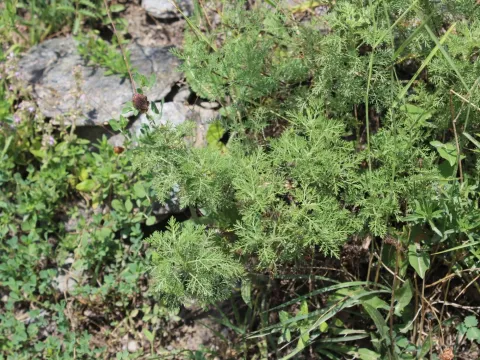
Chamomile-leaved wormwood
Artemisia chamaemelifolia
Chamomile-leaved wormwood (Artemisia chamaemelifolia) is a perennial herbaceous plant belonging to the Asteraceae family. It is a distinct species known for its specific morphology and chemical composition, distinguishing it from other common wormwood varieties used in agriculture and medicine.
What the section contains
Chamomile-leaved wormwood
The native range of this plant includes arid steppes, rocky slopes, and dry meadows throughout Eurasia. It has evolved to thrive in environments where nutrient availability and water access are limited, making it a highly resilient candidate for cultivation in marginalized agricultural areas.
The plant requires full sun exposure and excellent soil drainage. It is poorly suited for heavy, waterlogged, or clay soils, as these conditions increase the risk of root rot and negatively impact the secondary metabolism responsible for the production of essential oils.
Agrotechnical management focuses on minimal interference. Given its adaptation to wild habitats, it performs best in soils with neutral to slightly alkaline pH levels and does not require intensive fertilization, as excessive nitrogen often degrades the quality of the harvested aerial parts.
Economically, this species is valued for its pharmacological properties. The chemical profile, rich in terpenoids and antioxidants, makes it a specialized crop for the essential oil industry and the manufacturing of high-quality botanical herbal extracts used in natural skincare and wellness sectors.
The most common disease risks include powdery mildew, especially in regions with high humidity or poor air circulation. To manage this, proper spacing between rows is essential to ensure adequate airflow and reduce the humidity around the leaf canopy, preventing the development of fungal spores.
Insect pests such as aphids and specific moth larvae can occasionally affect the plant biomass. Integrated pest management strategies, emphasizing the use of beneficial insects and biological control agents, are preferred to maintain the quality standards required for medicinal-grade plant production.