
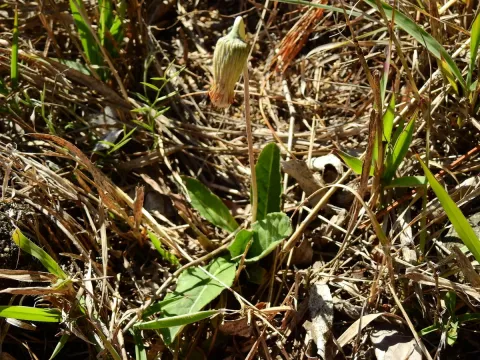
Chaptalia integerrima
Chaptalia integerrima
The sowing of Chaptalia integerrima requires careful attention to soil preparation and timing to ensure optimal germination of the seeds in field conditions.
What the section contains
Chaptalia integerrima
It is recommended to sow the seeds in the early spring once the soil temperature is consistently warm, which encourages rapid seedling development and root establishment.
Sowing in rows with a spacing of approximately 30 to 40 centimeters is considered ideal for maintaining healthy plant density and allowing for effective weed control.
Seeds should be covered with a very thin layer of soil to ensure they receive sufficient light and moisture without being buried too deep for successful emergence.
Field trials indicate that pre-sowing seed treatments can improve the overall germination rate, especially when dealing with non-standardized commercial seed lots.
Chaptalia integerrima is a notable member of the Asteraceae family, typically found in temperate and subtropical environments across its native geographical range.
The plant thrives in well-drained, fertile soil, showing a preference for loamy compositions that balance nutrient retention with necessary oxygen flow for root health.
As a light-demanding species, it requires locations that offer full sun exposure throughout the day to support its metabolic processes and maximize biomass production.
Water requirements should be managed to ensure consistent soil moisture during the active growth season, although the plant shows some tolerance to temporary dry spells.
Climatic adaptability makes this crop a viable candidate for various regions, provided that extreme frost events are avoided during the critical early growth phases.
While primarily cultivated for specific plant parts, the economic yield of Chaptalia integerrima depends heavily on maintaining an optimal plant population density per hectare.
Harvesting strategies should prioritize the stage of vegetative maturity, as the chemical concentration of active compounds is closely linked to the developmental phase of the foliage.
Regular maintenance, including selective fertilization, can significantly increase the total harvestable biomass of the crop compared to unmanaged wild populations.
Yield stability is achieved by ensuring that the soil structure remains loose and aerated, preventing compaction which often limits the plant's nutrient uptake efficiency.
Producers should monitor growth rates throughout the season, as environmental fluctuations can influence the final harvest potential and the quality of the harvested materials.
The crop may be susceptible to fungal pathogens like root rot if the soil moisture levels are not properly regulated through efficient drainage systems.
Leaf-feeding insects represent a constant threat to younger plants, often requiring integrated pest management strategies to protect the foliage from significant damage.
Competition from weeds is a major limiting factor for the crop, especially during the initial stages when the plant is still developing its root system.
Environmental stress, such as sudden heatwaves or excessive rainfall, can trigger physiological disorders that make the plants more vulnerable to opportunistic pests.
Implementing a rigorous crop rotation plan helps in reducing the population of soil-borne pathogens that typically affect members of the Asteraceae family.