
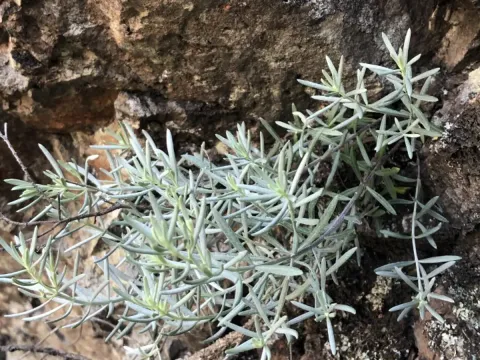
Starry daisy bush
Olearia astroloba
Olearia astroloba is an evergreen shrub belonging to the Asteraceae family. In nursery production, this species is primarily propagated via vegetative methods, specifically using semi-hardwood cuttings taken during the active growing season.
What the section contains
Starry daisy bush
The ideal window for propagation is late spring to early summer. To ensure successful rooting, cuttings should be placed in a well-draining, sterile substrate under high humidity and a consistent temperature, often provided by propagation benches or misting systems.
Seed propagation is less common due to slow germination rates and long developmental stages in young seedlings. When seeds are used, they are typically sown in early spring in a sheltered environment using a light, peat-based mix.
Young plants should be transplanted to their final outdoor location only after the danger of frost has completely passed. The species is sensitive to root disturbance, so careful handling and transplanting via the pot-to-ground method is strongly advised.
When planting in the landscape, spacing is critical to ensure proper air circulation. A minimum distance of 1 to 1.5 meters between shrubs is recommended to prevent overcrowding and to promote a healthy, full growth habit.
Olearia astroloba thrives in climates that mimic its native habitat, generally preferring mild, oceanic conditions. It requires a sunny location, ideally protected from harsh, drying winds that can cause leaf damage or dehydration.
The soil must be well-drained and moderately fertile. The species is highly intolerant of waterlogged conditions, which can lead to rapid root decay. If the native soil is heavy clay, amending it with organic matter and gravel is necessary for survival.
The preferred soil pH for this shrub ranges from slightly acidic to neutral. Minimal fertilization is required; a light application of a balanced slow-release fertilizer in early spring is usually sufficient to support annual growth and flowering.
In colder regions, the shrub should be grown in containers so it can be moved to a frost-free, well-lit environment during winter. While the plant can tolerate light frost, it is not reliably hardy against prolonged sub-zero temperatures.
Watering should be frequent enough to keep the soil moist but never saturated. During the first growing season, regular irrigation is essential for establishment, but thereafter, the plant develops moderate drought tolerance once mature.
The primary threats to this shrub are fungal diseases such as powdery mildew and grey mold, which typically manifest in environments with poor air circulation or consistently high humidity levels around the foliage.
Root rot remains the most significant threat to plant longevity, usually resulting from inadequate soil drainage or over-irrigation. Proper site selection and drainage management are the best preventative measures against these pathogens.
Common insect pests include aphids, scale insects, and spider mites. These pests feed on the sap of young shoots and leaves, causing stunting, chlorosis, and the general decline of the shrub’s aesthetic appeal.
Integrated pest management strategies should be employed, focusing on regular monitoring of the underside of leaves for early signs of infestation. Insecticidal soaps or systemic treatments may be applied if thresholds are exceeded.
Sanitation is a critical component of maintenance. Dead, damaged, or diseased branches should be removed annually in the spring to encourage airflow and prevent the buildup of inoculum that could lead to widespread infections.