
Staehelina
Staehelina
Staehelina is a genus of small shrubs belonging to the Asteraceae family. These plants are native to the Mediterranean region, where they typically thrive in rocky, calcareous, and nutrient-poor soils found on hillsides.
What the section contains


Staehelina
The primary requirement for successful cultivation is impeccable drainage. Staehelina is highly sensitive to waterlogged conditions, which lead to root rot; therefore, planting in raised beds or gravelly substrates is highly recommended.
Staehelina plants require full sun exposure to flourish. They are well-adapted to hot, dry summers, reflecting their evolutionary origin in arid environments where water availability is often unpredictable.
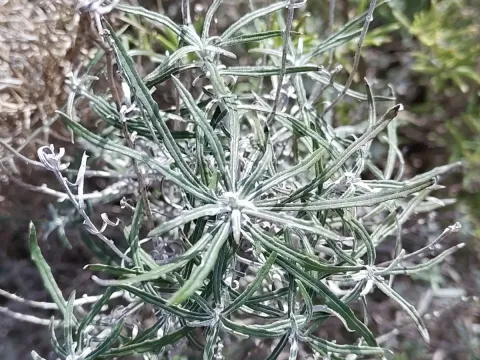
Botanically, the plant features narrow, often pubescent foliage that serves as a mechanism for water retention. The flowers are arranged in small, dense capitula, providing a distinct aesthetic appeal common to this specific genus.
Agronomic management of Staehelina focuses on minimal disturbance. Excessive fertilization should be avoided as it compromises the plant's natural structural integrity and reduces its tolerance to environmental stressors.
Root rot remains the most significant threat to Staehelina in garden settings. This condition is almost always a result of poor soil aeration or excess soil moisture during cooler, dormant seasons.
Fungal leaf spots and pathogens such as Fusarium can occur if humidity levels remain too high. It is crucial to ensure good spacing between individual plants to promote air movement and reduce fungal spore accumulation.
Insect pests, particularly aphids and spider mites, can infest the foliage during the peak growing season. Biological control methods or targeted applications of insecticidal soap are typically sufficient for managing these outbreaks.
Slugs and snails may pose a threat to young, succulent growth, especially in the spring. Implementing physical barriers like crushed shells or gravel around the base of the plant effectively discourages these mollusks.
Regular monitoring of the root zone and basal foliage is essential for early disease detection. Maintaining a dry crown area during the winter months is a critical preventative measure for long-term plant health.