
Stephanomeria
Stephanomeria
Stephanomeria is a diverse genus of annual and perennial herbs belonging to the Asteraceae family. Native to western North America, these plants are well-adapted to arid environments, ranging from sandy deserts to open woodland slopes, showcasing significant ecological plasticity.
What the section contains


Stephanomeria
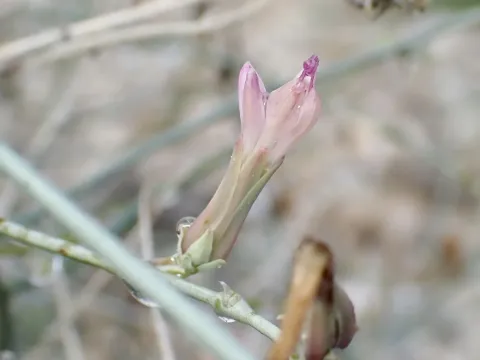
Botanically, Stephanomeria species are characterized by their milky sap and heads of florets, which are often pinkish or lavender. The foliage is typically sparse and reduced, an evolutionary strategy to minimize transpiration during high-temperature periods characteristic of their natural habitat.
The cultivation requirements for Stephanomeria emphasize the need for well-draining, nutrient-poor, or gravelly soils. They thrive in environments with low rainfall and high solar radiation, making them naturally resistant to drought and heat stress compared to conventional row crops.
Agricultural management for this genus is currently focused on native plant restoration and grazing land improvement. Given its evolutionary success in harsh climates, researchers are evaluating the potential of Stephanomeria as a model for developing future climate-resilient agricultural varieties.
While standard commercial production is not yet widespread, the plant requires minimal input in terms of fertilization and irrigation when grown in appropriate zones. Success in cultivation largely depends on simulating the dry, sun-drenched conditions typical of its native range in the American West.