
Mutisia ilicifolia
Mutisia ilicifolia
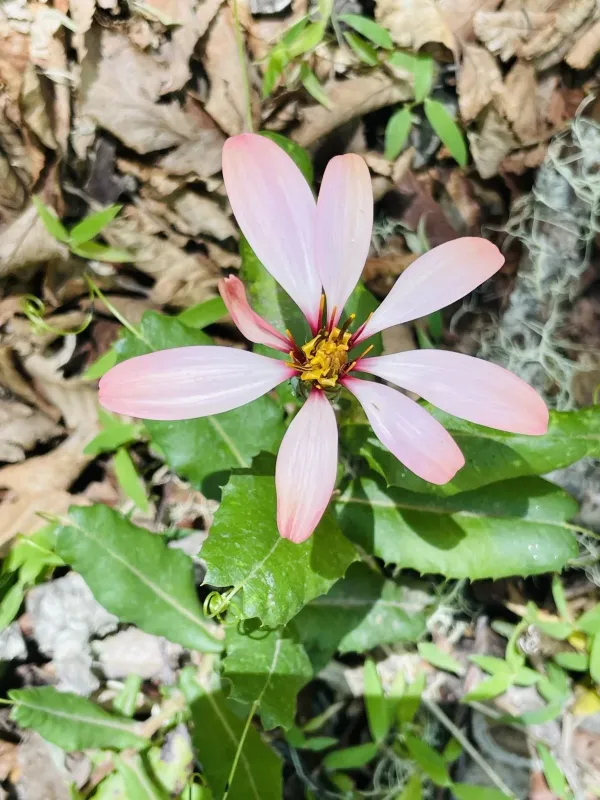
Description
Sowing dates
Propagation of Mutisia ilicifolia is typically achieved through seeds or stem cuttings in controlled environments. Sowing should take place in spring, maintaining a consistent temperature between 18–20 degrees Celsius.
Seeds require a stratification period to mimic the high-altitude natural conditions of their native Chilean habitat. A loose, well-aerated, slightly acidic substrate is essential to promote healthy seedling development.
When using cuttings, select mature stems in early summer. Rooting occurs best in a mixture of peat and perlite, often supplemented with rooting hormones to improve success rates.
Transplanting seedlings must be done with extreme care to avoid damaging the delicate root system. Using biodegradable pots is highly recommended to minimize disturbance during the final planting stage.
The plants should be moved to their permanent outdoor location once the danger of frost has passed, ensuring they have enough time to establish their root systems before the season ends.
Growing requirements
Mutisia ilicifolia is a perennial evergreen climbing vine belonging to the Asteraceae family. Its native range is found in the southern regions of Chile, adapted to cool and moist climates.
The plant thrives in bright, diffused light. In regions with intense solar radiation, partial shade during the peak of the day is crucial to prevent foliage scorching and flower wilting.
Soil requirements focus heavily on drainage; the plant cannot tolerate waterlogged conditions, which lead rapidly to root decay. A light, sandy loam soil enriched with organic matter is ideal.
A distinctive botanical feature of this species is the leaf structure, which terminates in tendrils. These tendrils allow the vine to climb heights of two meters or more, requiring stable supports.
Consistent, moderate moisture is key for healthy growth. While it appreciates humidity, the foliage should remain dry to prevent fungal infections, so watering at the base is the preferred method.
Main diseases and pests
The primary threats to this vine are fungal pathogens that thrive in conditions of high humidity combined with poor ventilation. Root rot is a common issue in poorly drained substrates.
Pests such as aphids and spider mites frequently target the succulent new growth of the vine. Prompt detection and the use of targeted systemic insecticides can manage these infestations effectively.
Chlorosis is a frequent diagnostic sign of improper soil pH or nutrient deficiency. Maintaining the correct soil acidity is vital for the plant to properly absorb essential minerals for photosynthesis.
In greenhouses or indoor environments, whiteflies can become a significant nuisance. Implementing biological control methods is a sustainable way to keep these pest populations under control.
Finally, the vine is physically sensitive; branches are brittle and can snap under careless handling or severe weather, necessitating sturdy training and gentle maintenance practices.