
Mutisia speciosa
Mutisia speciosa
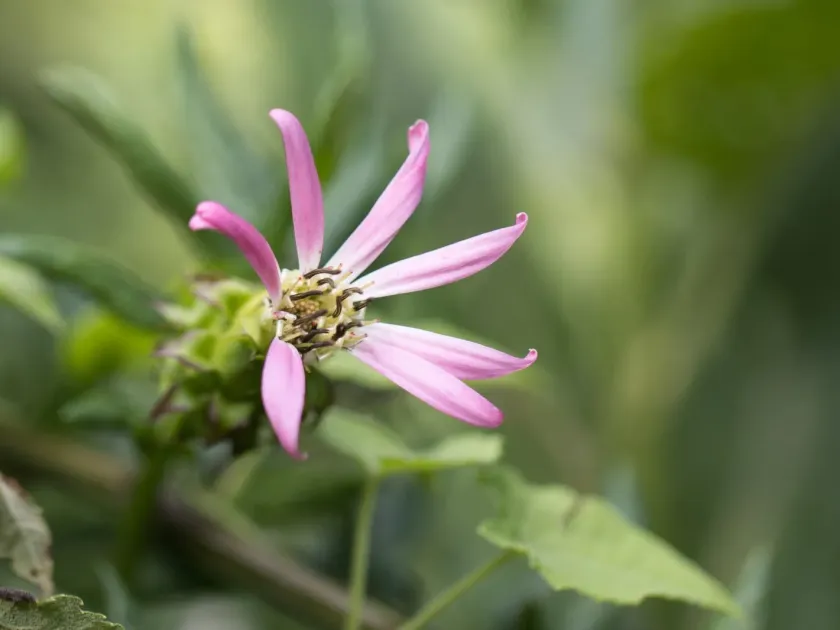
Description
Growing requirements
Mutisia speciosa is a distinctive evergreen climbing plant belonging to the Asteraceae family. Known for its elegant flowers and climbing habit, it is highly valued as an ornamental specimen in botanical collections and specialized landscaping.
Originating from the mountainous terrains of South America, this plant is adapted to cool and moist environmental conditions. Its growth cycle is heavily influenced by the temperature fluctuations typical of its natural Andean habitat.
The cultivation of this plant requires well-draining, nutrient-rich soil with a slightly acidic to neutral pH level. Proper aeration of the substrate is vital, as the root system is highly sensitive to hypoxia caused by waterlogged soils.
Regarding light requirements, Mutisia speciosa prefers bright, filtered sunlight. Excessive exposure to direct noon sun can lead to chlorosis and leaf desiccation, which negatively impacts the overall decorative quality and flower production.
Agrotechnical management primarily involves providing robust support structures. The plant utilizes modified leaf tips as tendrils to climb, making the selection of appropriate trellises or supports essential for maintaining its vertical structure.
Main diseases and pests
The primary pests affecting the health of Mutisia speciosa include spider mites and aphids. These pests frequently congregate on the underside of the foliage, leading to yellowing and premature leaf senescence if left untreated.
Fungal infections, such as powdery mildew, often manifest during periods of high humidity and stagnant air. Regular air circulation is mandatory in greenhouse settings to mitigate the development of these fungal pathogens.
Root rot is a critical threat that often stems from poor drainage or excessive moisture retention in the growing medium. It is recommended to allow the top layer of the soil to dry slightly between irrigation sessions.
Integrated pest management strategies should be employed to monitor the plant's health. Early detection through regular visual inspections allows for targeted intervention using appropriate horticultural oils or biological control agents.
Sanitation practices, such as the removal of dead leaves and pruning spent flowers, are crucial to prevent the accumulation of pathogens and to promote vigorous growth in the subsequent vegetation cycle.