
Mutisia retusa
Mutisia retusa
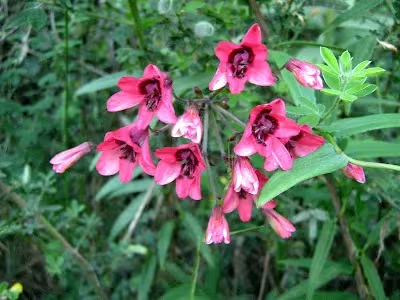
Description
Growing requirements
Mutisia retusa is a perennial evergreen climbing plant belonging to the Asteraceae family. It is distinct for its ability to climb using leaf tendrils, which allow the plant to secure itself firmly to supports in its natural habitat in South America.
The native range of this species covers regions of Chile and Argentina. It thrives in cool to temperate environments where it is often found on hillsides, making it a unique addition to gardens that can mimic these natural conditions.
To cultivate Mutisia retusa successfully, it requires well-drained, fertile soil with a neutral to slightly acidic pH level. Ensuring that the root zone does not remain waterlogged is essential for the long-term survival and vigor of the plant.
The plant performs best in locations that provide plenty of bright, indirect sunlight or mild morning sun. It is sensitive to extreme heat and prolonged direct midday sun, which can cause leaf scorch and stress the plant's physiological systems.
Its primary use is ornamental, specifically for vertical gardening. Gardeners prize it for its vibrant, daisy-like flowers that provide a splash of color against a backdrop of deep green, lance-shaped leaves, making it perfect for trellises.
Main diseases and pests
The primary threats to Mutisia retusa are fungal diseases related to poor drainage, such as root rot and stem decay. Maintaining a strict watering regimen and ensuring high-quality substrate aeration is the best preventive measure against these pathogens.
Pests that commonly impact the health of the plant include aphids and spider mites, particularly in warm, dry climates. Regular monitoring and the application of horticultural soaps or specific acaricides are recommended to manage these threats effectively.