
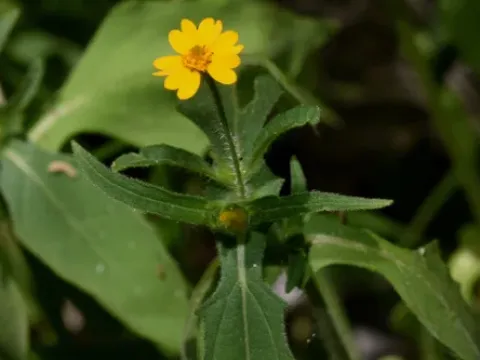
Melampodium microcephalum
Melampodium microcephalum
Melampodium microcephalum is an annual herbaceous plant belonging to the Asteraceae family. It is widely recognized for its high adaptability and continuous production of small, daisy-like yellow flowers throughout the growing season.
What the section contains
Melampodium microcephalum
Direct sowing in the garden should occur once the risk of frost has completely passed and the soil temperature is consistently warm, typically late spring.
For indoor propagation, sow seeds 6–8 weeks before the last frost. Use a well-draining seed-starting mix and keep the containers in a warm, bright location to ensure strong development.
Seeds require light for germination, so press them lightly into the surface of the growing medium without covering them deeply. Keep the surface moist until the seedlings emerge.
Transplanting seedlings outdoors requires careful hardening off. Space plants about 10–12 inches apart to allow for proper airflow and natural branching patterns.
This species thrives in full sun exposure. While it can tolerate partial shade, maximum sunlight is essential to maintain its compact shape and maximize floral output.
Soil should be well-draining and moderately fertile. The plant is adaptable to various soil types, but it performs best in loamy conditions with a balanced pH level.
Consistent watering is required during the initial establishment phase. Once mature, Melampodium microcephalum exhibits moderate drought tolerance, although performance is better with regular moisture.
Fertilization with a balanced, slow-release fertilizer during the planting phase is sufficient for most gardens. If the plant shows signs of stunted growth, a mid-season liquid supplement may be applied.
Keep the planting site free from weeds to prevent competition for nutrients and water, which is particularly important during the first month of growth after transplanting.
Melampodium microcephalum is naturally resilient and rarely suffers from severe diseases if proper spacing is maintained to avoid humidity buildup around the foliage.
Powdery mildew may occur in regions with very high humidity and poor air circulation. Improving plant spacing is the most effective cultural control method.
Spider mites can become an issue during hot, dry weather. Regular misting of the foliage and keeping the soil moisture consistent can discourage mite populations.
Aphids may occasionally target soft, new growth. They can typically be managed by washing the plants with a gentle stream of water or using insecticidal soaps.
General sanitation, including the removal of dead plant material at the end of the season, helps prevent the overwintering of potential pests and fungal spores.
The primary use of this crop is aesthetic. Regular deadheading helps keep the plant looking tidy and promotes a longer flowering season by preventing seed set.
Seed collection involves harvesting mature, dried flower heads. Store seeds in a cool, dry environment to maintain viability for the following growing season.