
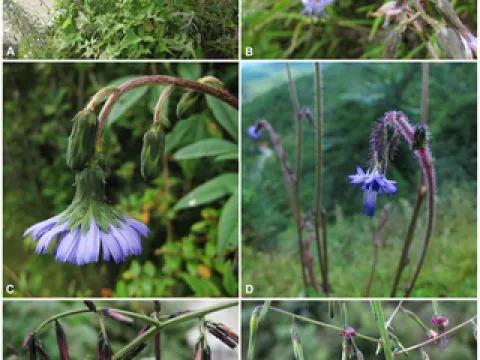
Melanoseris
Melanoseris
Melanoseris is a genus of plants belonging to the Asteraceae family, encompassing species that have been historically utilized for their nutritional value. Sowing is typically carried out in early spring, as soon as the soil reaches a temperature of 8–10 degrees Celsius.
What the section contains

Melanoseris
Direct sowing is the preferred method for this crop, as the plants possess a taproot system that is highly sensitive to transplanting. Seeds should be sown at a depth of 1–2 centimeters to ensure optimal germination rates.
To ensure a continuous supply of greens, practitioners often employ a staggered sowing schedule, planting new batches of seeds every two to three weeks throughout the growing season.
For regions with cooler springs, the use of row covers or greenhouse cultivation is recommended to protect the young seedlings and accelerate the development of the leaf rosette.
Preparing the seedbed is a crucial step; it should involve thorough tilling and the incorporation of organic matter to provide the necessary nutrients for vigorous early growth.
Melanoseris thrives in well-lit areas, although it exhibits tolerance for partial shade, which can sometimes produce more tender and palatable leaves. The crop performs best in fertile, well-draining loam soils with a neutral pH balance.
Adequate soil moisture is essential for this plant, particularly during the vegetative growth phase. However, the soil must not remain waterlogged, as excessive moisture leads to root rot and poor development.
The ideal temperature range for Melanoseris is between 15 and 22 degrees Celsius. Extreme heat can trigger premature bolting, causing the plant to prioritize flower production over leaf development, which diminishes quality.
Nutrient management involves applying nitrogen-based fertilizers during the early stages, while phosphorus and potassium are beneficial as the plant matures. Excessive nitrogen late in the season should be avoided to prevent nitrate accumulation.
Regular weeding and soil aeration around the base of the plants are necessary to maintain healthy growth and reduce competition for nutrients and water.
The yield of Melanoseris varies based on soil fertility, moisture availability, and the specific variety, typically ranging from 1.5 to 3 kilograms per square meter under good management.
As a leafy green, the plant’s productivity is maximized through selective harvesting techniques, allowing the central growing point to continue producing fresh leaves over an extended period.
In commercial operations, high yields are achieved through precision irrigation and standardized fertilization schedules that account for the plant's specific metabolic needs.
The crop's ability to regenerate means that growers can achieve multiple cuttings from a single planting, provided the plants are not stressed by extreme temperatures or lack of water.
Optimizing plant spacing is critical for yield; overcrowding can lead to reduced leaf size and increased susceptibility to fungal diseases, while sparse planting may lower overall area output.
Common pests affecting Melanoseris include aphids and gastropods like slugs and snails, which can cause significant damage to young, tender foliage if left unmanaged.
Fungal diseases, particularly powdery mildew, pose a threat when plants are grown in overcrowded conditions with poor airflow and high humidity levels.
Root rot, driven by stagnant water or pathogen-rich soils, is one of the most severe threats, often resulting in the total loss of individual plants if drainage is not managed correctly.
Preventative strategies are key, including strict adherence to crop rotation, ensuring that Melanoseris is not planted in succession with other Asteraceae species like lettuce.
Integrated pest management, focusing on biological controls and environmental modifications, is highly recommended to ensure the harvest remains free of chemical residues.
The harvest period typically begins 45–60 days after emergence, once the leaf rosettes have attained sufficient size and texture for culinary use.
Selective harvesting is performed by carefully removing outer leaves, which encourages the plant to continue diverting energy toward the growth of newer, tender foliage from the center.
Harvesting should ideally take place in the cool early hours of the morning when leaf turgidity is highest, ensuring better quality and a longer shelf life after post-harvest processing.
Once harvested, the greens should be stored in a cool, dark environment at temperatures between 0 and 5 degrees Celsius to maintain freshness and prevent wilting.
If the purpose is seed production, selected plants are allowed to bolt; the seed heads should be harvested once fully dried to ensure high viability for the subsequent season.