
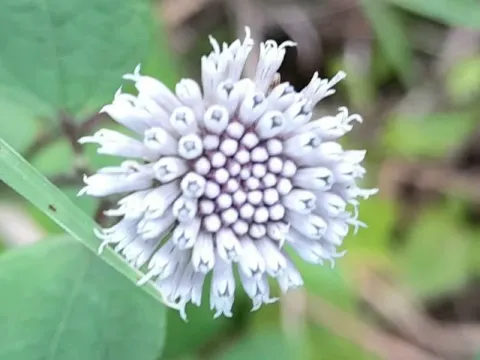
Melanthera aspera
Melanthera aspera
Melanthera aspera is a perennial herbaceous plant that typically requires a warm climate to germinate successfully. Sowing is usually synchronized with the onset of the rainy season to ensure natural moisture levels for the seeds.
What the section contains
Melanthera aspera
The seeds should be planted in well-prepared, loose soil at a shallow depth of about 1 to 2 centimeters. This depth promotes optimal light exposure for the seeds while keeping them firmly anchored in the growing medium.
Propagation can also be achieved through cuttings, which is often preferred in commercial settings to ensure uniform growth. Cuttings require a rooting period of approximately 4 to 6 weeks in a sheltered nursery before transplanting.
Spacing between plants is crucial to prevent overcrowding, as the species exhibits vigorous vegetative growth. Proper arrangement ensures that each individual plant receives adequate light and airflow to thrive.
Post-sowing care must include consistent irrigation to maintain soil humidity. Once established, the plants demonstrate a high resilience to environmental fluctuations, although early-stage moisture is vital.
As a member of the Asteraceae family, Melanthera aspera thrives in high-light environments. Full sun exposure is essential for maintaining the plant’s health and optimizing its biological development cycles.
The ideal temperature range for this species is between 22 and 30 degrees Celsius. It is highly sensitive to cold and frost, meaning cultivation should be restricted to tropical or subtropical regions with a stable climate.
The plant performs best in well-drained loamy soils with a neutral or slightly acidic pH level. Soil structure must facilitate rapid water drainage to prevent any accumulation around the roots, which can be fatal to the crop.
Nutrient requirements involve periodic applications of organic fertilizers rich in phosphorus and potassium. These nutrients support the structural integrity of the stems and maximize the total yield of the vegetative parts.
The species is known for its adaptability to varying ecological niches, including forest clearings and abandoned fields. Its natural robustness makes it a manageable crop once the fundamental environmental conditions are met.
Fungal infections, particularly powdery mildew, represent a significant threat to Melanthera aspera in high-humidity conditions. Maintaining clean field practices and proper ventilation helps mitigate these risks significantly.
Pests such as aphids and spider mites may infest the plant during prolonged dry spells. These insects cause leaf curling and sap loss, which can stunt the overall growth of the plant if left untreated.
Root rot is a common issue arising from poor drainage or overwatering. By ensuring the soil is properly prepared and monitored, farmers can avoid the degradation of the root system caused by pathogens.
Integrated Pest Management (IPM) is the recommended approach for maintaining crop health. This includes the use of bio-controls and the removal of infected debris to limit the spread of pests and diseases.
Frequent field inspections are necessary to identify early signs of infestation or sickness. Swift action, such as pruning affected areas, can prevent small issues from developing into widespread field problems.