
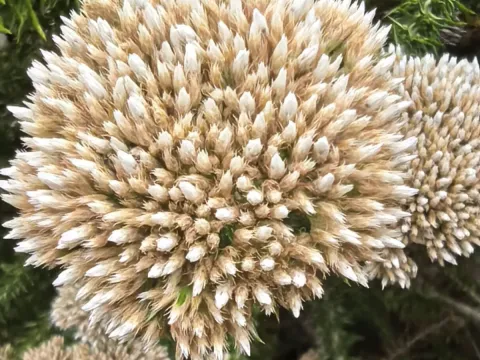
Metalasia
Metalasia
Sowing Metalasia seeds is typically carried out in early spring, once the threat of frost has passed. The seeds should be sown in a light, well-draining substrate to prevent moisture accumulation.
What the section contains

Metalasia
Light is essential for the germination of Metalasia seeds, so they should be sown on the surface of the soil rather than deep inside. Maintaining a temperature range of 18-22 degrees Celsius is crucial.
Seedlings should be pricked out into individual pots once they develop their first set of true leaves. This allows the roots to establish themselves properly before the plants are moved outdoors.
Propagation through semi-hardwood cuttings is a popular method among professionals. This ensures the clone plant maintains all the morphological characteristics of the parent stock.
Rooting hormone application is recommended to increase the success rate of cuttings. Keeping the cuttings in a humid environment while roots develop will improve survival significantly.
Metalasia belongs to the Asteraceae family and is native to South Africa, where it thrives in sandy, well-drained soils. The plant prefers full sun and exposure to light breeze to maintain its vigor.
The soil requirements are quite specific: it needs nutrient-poor, sandy soil. Fertilization should be kept to a minimum as the plant has evolved to survive in lean, rocky conditions.
Watering must be strictly controlled. Metalasia is highly drought-tolerant, so frequent watering is counterproductive and often leads to root rot if the substrate stays wet.
Climate tolerance is restricted to frost-free regions. In colder climates, growing Metalasia in movable containers is the best strategy for protecting the plant during winter months.
Good air circulation is vital for the health of this plant. Dense planting should be avoided to prevent the buildup of humidity, which can cause fungal outbreaks on the foliage.
Root rot caused by Phytophthora or other water-borne fungi is the most significant threat to Metalasia. It is almost always a result of overwatering or improper drainage in the planting site.
Spider mites are common pests that affect the foliage, especially when the plant is kept in dry, indoor conditions. They feed on the sap and can lead to foliage discolouration.
Mealybugs can also infest the stems of the plant, hiding in the junctions between leaves and branches. Manual removal or specific systemic insecticides are recommended for control.
Preventative measures include regular inspection of the plants and ensuring that the substrate is completely dry before adding any water. Cleanliness of the greenhouse is essential for preventing pest cycles.
If fungal infection occurs, the affected parts of the plant must be pruned immediately. Improving ventilation and reducing humidity levels will stop the infection from spreading further.