
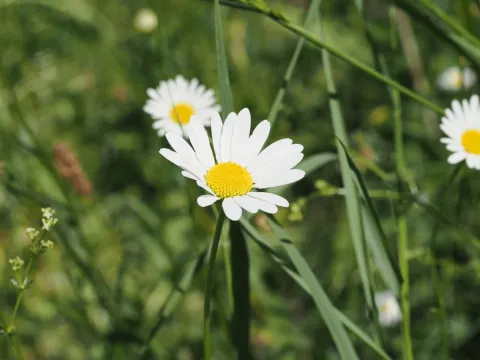
Irkutsk oxeye daisy
Leucanthemum ircutianum
The Irkutsk oxeye daisy, known scientifically as Leucanthemum ircutianum, belongs to the Asteraceae family and is a popular choice for both meadows and garden beds.
What the section contains
Irkutsk oxeye daisy
Propagation is primarily achieved through seeds sown directly into the soil. It is best to sow in early spring after the frost or in the autumn for winter stratification.
Seeds should be covered lightly with a thin layer of soil, approximately 0.5 to 1 cm deep. Consistent moisture is crucial for germination, which usually takes about three weeks.
When transplanting young plants, maintain a spacing of 30 to 40 cm between individuals to ensure proper airflow and prevent competition for water and nutrients.
The plants typically spend their first year developing a strong root system and a rosette of leaves, with the primary flowering phase occurring in the second year.
This species thrives in full sun exposure. While it can tolerate partial shade, insufficient sunlight often leads to leggy growth and fewer, smaller flowers.
It prefers fertile, well-drained loamy soils but is generally adaptable to various soil types, provided there is no long-term waterlogging which can cause root issues.
Leucanthemum ircutianum is highly valued for its cold hardiness, making it an excellent candidate for regions with harsh winter climates.
While established plants can tolerate short periods of dry conditions, supplemental irrigation is recommended during hot, dry summer spells to maintain optimal flower production.
Annual fertilization with balanced nutrients in early spring helps stimulate vigorous growth and ensures a display of bright, healthy flowers throughout the season.
Common issues include powdery mildew and rust, particularly in areas with poor air circulation or high humidity levels that favor fungal spore growth.
Pests such as aphids and froghoppers (spittlebugs) can occasionally infest the plants, targeting the developing stems and buds, which may stunt flower development.
Fungal diseases should be managed through preventive fungicide applications and by ensuring that the spacing between plants allows for good ventilation.
Insect pests can be controlled using standard horticultural insecticides when monitoring reveals that populations are beginning to impact plant health significantly.
Sanitation is key; removing dead plant material and debris from around the base of the plants in late autumn helps reduce the risk of overwintering pathogens.
For floral arrangements, harvest the stems when the blooms are fully expanded. Use clean, sharp shears to ensure a clean cut without crushing the plant tissues.
When harvesting for drying purposes, hang the stems upside down in a dark, well-ventilated room to preserve the shape and color of the petals effectively.
If collecting seeds, wait until the seed heads turn a brownish color and show signs of drying out before cutting them from the main stalk for threshing.
At the end of the growing season, prune the foliage back to a few centimeters above the ground to prepare the plant for the upcoming winter dormant period.
Regular deadheading of spent blossoms throughout the summer can prolong the blooming period and prevent the plant from wasting energy on seed production prematurely.