
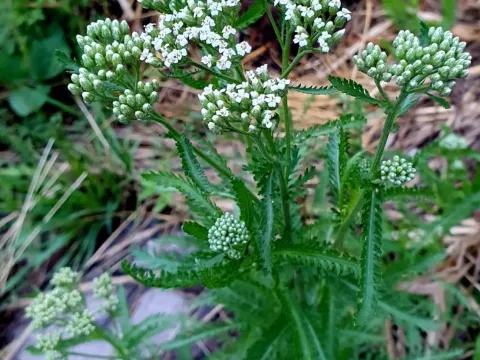
Inundate yarrow
Achillea inundata
The sowing of Achillea inundata seeds is best performed in the spring, once the soil has warmed up to at least 10-12 degrees Celsius. Proper stratification is often required to break seed dormancy and ensure uniform germination across the field.
What the section contains
Inundate yarrow
Seeds should be sown shallowly, at a depth of no more than 1-1.5 centimeters, given their minute size. Using an appropriate seed drill ensures optimal spacing, which later facilitates mechanical weeding and cultivation processes.
Starting the crop from seedlings in a greenhouse is a viable alternative that leads to higher plant survival rates and a more predictable harvest in the first growing season. Seedlings can be transplanted once the risk of spring frost has completely passed.
Vegetative propagation via root division is another effective method, particularly for farmers looking to maintain specific characteristics of the parent plants. This method produces more robust initial growth compared to seeding.
As a perennial crop, the plants can remain productive for 4 to 6 years if managed correctly. After this period, it is advisable to rotate the fields to prevent soil nutrient exhaustion and potential buildup of specific plant pathogens.
Achillea inundata belongs to the Asteraceae family and is naturally adapted to moist environments, such as floodplains and marshy meadows. This makes it distinct from many other yarrow species that are primarily drought-tolerant.
The plant thrives in fertile, loamy, or sandy soils that possess good moisture-holding capacity. While it prefers moist conditions, it still requires well-drained soil during the early establishment phase to prevent root rot.
Sunlight is the most critical environmental factor for this crop. Full sun exposure is necessary to maximize the accumulation of essential oils and other medicinal compounds within the leaves and flower heads.
In terms of climate, the species is highly frost-hardy, making it well-suited for temperate regions. It can survive harsh winters without special protection, provided the plants are well-established before the dormancy period.
Weed management is essential during the early stages, as the plant exhibits slow initial growth. Keeping the area clear of competing vegetation allows for better access to sunlight and soil nutrients, which directly impacts yield.
The primary economic focus of Achillea inundata is the harvesting of the aerial parts, including the stems and flowers, which are valued for their pharmaceutical properties, particularly in treating inflammatory conditions.
Farmers can expect a dry matter yield ranging from 1.5 to 2.5 tonnes per hectare under optimal conditions. Yield is heavily dependent on moisture levels during the peak growing season and the overall fertility of the soil.
The timing of the harvest is critical; the plants should be cut when the flowers are in full bloom to ensure the highest concentration of volatile oils and flavonoids is present in the tissue.
Post-harvest, the material must be dried carefully at temperatures between 40-50 degrees Celsius. Maintaining this temperature range prevents the degradation of active ingredients and ensures a high-quality final product.
Cleaning and sorting the dried material are final steps that determine the market grade. Removing excess stems and impurities is mandatory for meeting pharmaceutical and herbal processing standards.
While relatively robust, Achillea inundata can be susceptible to fungal diseases such as powdery mildew, especially in regions with high humidity or poor airflow between rows. This can degrade the quality of the foliage.
Pests like aphids and leaf-eating beetles can pose a threat to the young leaves and flowering buds. Integrated pest management (IPM) should be prioritized to mitigate damage without relying on harsh chemicals that could contaminate the crop.
Crop rotation and proper row spacing are the best preventative measures against disease outbreaks. Ensuring good air circulation reduces the risk of fungal infections significantly.
Regular field scouting is recommended to detect any pest activity early. Early intervention using biological control agents is often sufficient to keep populations at a manageable level without affecting the harvest's quality.
Maintaining a balanced ecosystem around the field encourages beneficial insects, which can naturally control pest populations. This approach is highly recommended for organic or high-value herbal production.
Harvesting should be synchronized with the peak flowering phase of the crop. Collecting the material when the inflorescences are vibrant ensures the highest market value and medicinal efficacy.
Using mechanical harvesters, the plants are cut at approximately 15-20 centimeters above the ground. Harvesting only the top parts prevents the inclusion of woody stems that offer little medicinal value.
It is best to conduct the harvest during dry, sunny weather. Harvesting when the plant is wet with dew increases the risk of mold growth during transport and the early drying phase.
Speed is essential after cutting; the harvested material should reach the drying facility within a few hours. Long-term storage in piles causes overheating and leads to a significant loss of fragrant essential oils.
When handled correctly, the harvested yield will provide a stable, high-quality ingredient for the herbal supplement and pharmaceutical industries, meeting all necessary safety and potency requirements.