
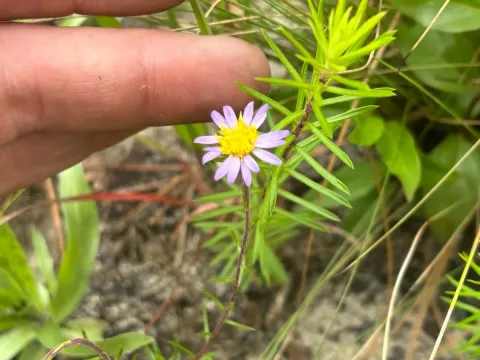
Ionactis
Ionactis
Ionactis is a genus of flowering plants belonging to the Asteraceae family. This resilient perennial is widely recognized for its ability to thrive in challenging environments that typically exclude less robust plant species.
What the section contains

Ionactis
Native to North America, Ionactis is naturally adapted to dry, stony slopes and exposed rocky habitats. This origin dictates its primary agricultural requirement: the need for full sunlight and high levels of solar exposure throughout the growing season.
The soil requirements for Ionactis are quite specific, favoring light, well-draining, and gritty substrates. Poor drainage is the most significant limiting factor for this crop, as standing water rapidly leads to root system compromise.
Climate-wise, the plant is well-suited for temperate regions. It exhibits high winter hardiness, provided the soil remains sufficiently dry during the dormant season to prevent frost-heaving and root rot issues.
In modern practice, Ionactis is primarily utilized in ornamental horticulture and landscape design. Its exceptional drought tolerance makes it a preferred choice for xeriscaping and sustainable garden projects that prioritize low maintenance.
The main threats to Ionactis involve fungal pathogens that emerge under conditions of high humidity or soil waterlogging. Root and crown rot are the most prevalent diseases that can cause rapid decline in the plant's health.
Insect pests typically targeting Ionactis include various sap-sucking insects like aphids. These pests cluster on succulent new growth, depleting the plant's resources and potentially spreading viral secondary infections.
Prevention remains the primary strategy for disease control. Ensuring adequate spacing between plants allows for proper airflow, which significantly reduces the risk of fungal proliferation on the foliage.
Management of pest populations requires diligent monitoring and the application of targeted insecticides if infestation thresholds are met. Maintaining healthy plant vigor through proper site selection is the best preventative measure.
Regular maintenance, including the removal of dead organic material, helps to minimize the overwintering sites for both pathogens and insect pests, contributing to a healthier cultivation environment.