
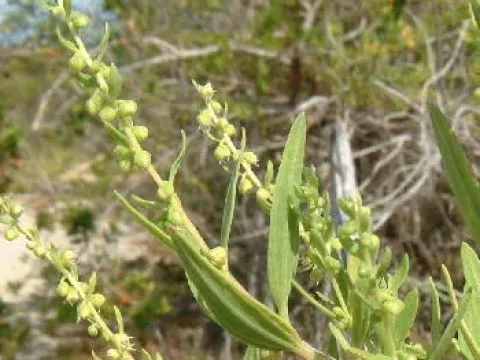
Iva cheiranthifolia
Iva cheiranthifolia
Iva cheiranthifolia is a plant species belonging to the Asteraceae family. Known for its specific ecological niche, it is native to regions where tropical climatic conditions predominate, making it a specialized crop for specific geographic areas.
What the section contains
Iva cheiranthifolia
The cultivation of this species requires a warm climate with minimal temperature fluctuations. Ideal growth occurs when ambient temperatures remain stable throughout the active vegetation period, avoiding any exposure to frost.
Soil requirements for this crop involve a preference for well-drained, porous substrates. The plant is particularly sensitive to soil compaction and waterlogging, which can rapidly lead to root decay and overall health decline.
As a light-demanding species, Iva cheiranthifolia thrives under direct sunlight. Exposure to high-intensity light is crucial for maximizing photosynthetic output and ensuring the healthy development of its characteristic foliage.
Water management should focus on maintaining moderate moisture levels. It is essential to allow the growing medium to partially dry out between irrigation cycles to promote deep root development and prevent fungal issues.
The yield potential of Iva cheiranthifolia depends on the precision of the nutritional management program. Providing a balanced ratio of macronutrients during the rapid growth phase significantly enhances biomass production.
Agricultural management practices, such as strategic pruning, are used to manipulate the branching habit of the plant. This increases the total canopy size, which directly impacts the potential harvestable yield.
Plant density plays a critical role in determining the overall output per unit of land. Achieving an optimal spatial arrangement ensures that each plant receives sufficient resources to reach its full biological potential.
Harvesting strategies typically involve selecting the time of peak nutrient concentration within the plant tissues. Regular monitoring of maturity indices helps in timing the collection to maximize the quality of the harvested product.
Post-harvest handling is essential to preserve the structural integrity of the plant matter. Proper drying and storage conditions ensure that the final product maintains its intended properties for industrial or pharmaceutical use.
Fungal diseases represent the most significant threat to Iva cheiranthifolia, particularly in environments where humidity levels are poorly controlled. Leaf spots and mildew can quickly compromise plant vigor.
Common pests, including aphids and spider mites, are frequently observed during warmer seasons. These pests feed on sap, which can cause significant stunted growth and leaf deformation if not addressed promptly.
Root-borne pathogens can be devastating if the soil drainage is inadequate. Implementing a strict irrigation schedule is the primary defense against the development of lethal root rot conditions.
Integrated pest management (IPM) is highly recommended to mitigate risks while minimizing the chemical footprint. This approach involves a combination of biological controls and regular field scouting.
Sanitation practices, such as removing fallen leaves and crop residues, are vital in preventing the recurrence of disease cycles. Maintaining clean growing conditions is a fundamental aspect of sustainable cultivation.