
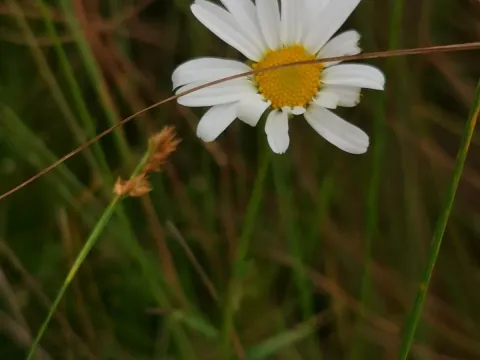
Leucanthemella linearis
Leucanthemella linearis
Leucanthemella linearis is a resilient herbaceous perennial belonging to the Asteraceae family. It is typically propagated through division of the rhizomes in early spring, which encourages vigorous growth for the coming season.
What the section contains
Leucanthemella linearis
Seed propagation is also possible, though it requires a cold stratification period of several weeks to break dormancy. Sowing indoors in early spring allows for better control over germination conditions before transplanting.
Proper spacing is essential to ensure adequate air circulation between plants. Setting them about 50 centimeters apart prevents the crowding that often leads to humidity-related diseases in the foliage.
When establishing new plants, ensure the soil is amended with well-rotted organic matter. This provides the necessary nutrients for the first year of development and helps the plant establish a strong root system.
Annual maintenance involves cutting back the stems to the ground after the first hard frost. This practice clears away dead tissue and helps prevent overwintering of pathogens that might affect the plant the following spring.
This species thrives in full sun, which is necessary for strong, upright stems that do not require staking. While it tolerates partial shade, excessive shade can result in sparse flowering and weaker plant structures.
Soil should be fertile, moist, and well-drained. While the plant appreciates consistent soil moisture, it cannot tolerate "wet feet" during the winter months, making good drainage a primary requirement for long-term health.
In terms of climate, Leucanthemella linearis is well-suited for temperate regions. It is highly winter-hardy and requires no special winter protection beyond standard mulching to regulate soil temperature.
Regular irrigation is vital during the summer months to ensure high-quality blooms. If the soil dries out completely, the plant may suffer from leaf scorch and premature flower wilting, reducing its ornamental value.
Fertilization with a balanced, slow-release granular fertilizer in the spring helps promote lush foliage and abundant flower production throughout the blooming season, which typically lasts from late summer into autumn.
Powdery mildew is the most common fungal issue, particularly in late summer when nights become cooler and dew levels increase. Proper spacing and airflow are the best preventative measures against this pathogen.
Aphids can be problematic during the active growing phase, feeding on tender new shoots and buds. Monitoring the plants regularly allows for early intervention with insecticidal soaps or neem oil.
Root rot is a critical threat often caused by poor soil drainage. If the leaves begin to yellow and wilt without an obvious reason, check the root zone for signs of decay and adjust irrigation practices immediately.
Slugs and snails may attack young growth in the spring. Implementing barrier methods or using environmentally safe baits can protect the shoots until they become more robust and less palatable.
Overall, maintaining plant health through good hygiene practices—such as cleaning up fallen leaves and managing weeds—is the most effective way to avoid serious pest and disease outbreaks.