
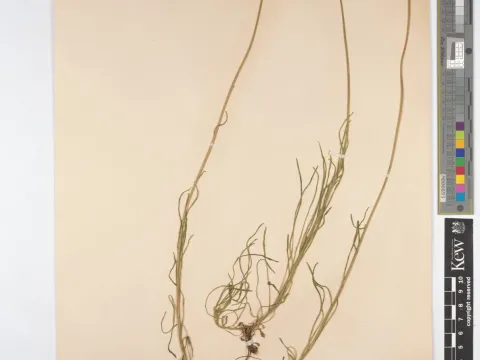
Leucanthemum chloroticum
Leucanthemum chloroticum
Leucanthemum chloroticum is a herbaceous perennial plant belonging to the Asteraceae family. It is characterized by its distinctive, pale greenish-tinted inflorescences, which distinguish it from the more common white-flowering species of the genus Leucanthemum.
What the section contains
Leucanthemum chloroticum
The plant is native to the Balkan Peninsula, specifically localized in mountainous regions. Its natural habitat includes stony slopes and alpine meadows, which explains its hardiness and ability to thrive in poor, rocky soil conditions.
Successful cultivation of this species requires well-draining soil with a neutral to slightly alkaline pH. The plant is highly sensitive to waterlogged conditions, which can lead to rapid deterioration of the root crown, especially during winter months.
Leucanthemum chloroticum is a heliophilic plant, requiring full sun exposure to maintain its compact growth habit and proper floral coloration. It is well-suited for rock gardens and borders where soil drainage is effectively managed.
Maintenance involves minimal irrigation once the plants are established, as they demonstrate significant drought tolerance. Regular division of the root clump every few years is recommended to keep the plants vigorous and prevent center dieback.
The most common disease threats include fungal infections such as powdery mildew, which thrive in conditions of high humidity and poor ventilation. Keeping the foliage dry and ensuring adequate space between plants significantly reduces this risk.
Pests that may affect the crop include aphids, which tend to infest the soft apical shoots, and occasionally leaf-feeding larvae. Maintaining proper soil structure and periodic inspection are the primary methods for integrated pest management.