
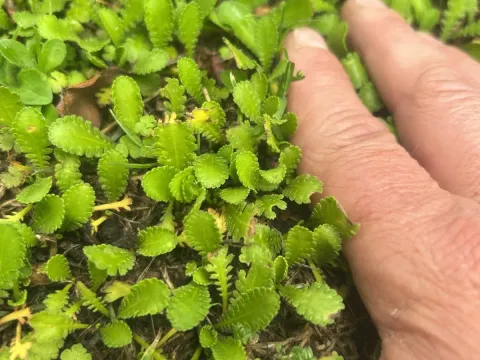
Leptinella
Leptinella Cass.
Propagation of Leptinella is most effectively achieved through vegetative methods, such as dividing established clumps or taking root cuttings. Spring is the ideal season for these operations, as the plant enters a period of active growth, facilitating faster establishment in new locations.
What the section contains

Leptinella
Seeds can also be used for propagation, although the process is more challenging due to slow germination and the extended period required for seedlings to reach a mature state. It is advisable to sow seeds in trays during late winter, keeping the environment moist and warm.
When transplanting into the garden, spacing the plants between 20 and 30 centimeters apart is recommended. This spacing allows the creeping stems enough room to spread and eventually merge, forming a dense and uniform carpet that covers the soil surface effectively.
Initial care post-planting is crucial; regular watering is necessary to ensure the root system is well-settled. During the first few weeks, the soil should be kept consistently moist to prevent the young plants from drying out, which can hinder their overall development.
Once established, Leptinella is quite resilient and aggressive enough to compete with many common weeds. Regular monitoring and occasional clearing of invasive weeds during the early stages of growth will help the plant form a healthy and aesthetically pleasing green mat.
Leptinella, belonging to the Asteraceae family, is a genus primarily native to the Southern Hemisphere, including regions like New Zealand and South America. These plants are prized for their fern-like foliage and low-growing, mat-forming habit, making them excellent choices for groundcover.
This crop thrives in moist, well-drained soils rich in organic matter. While it enjoys a steady supply of moisture, it is important to avoid waterlogged conditions, which can lead to root decay and decline in plant vigor over time.
In terms of light exposure, Leptinella generally prefers partially shaded environments. Excessive direct sunlight, especially in warmer climates, can cause the foliage to scorch and lose its characteristic vibrant color, reducing the plant's visual appeal in the landscape.
The plant demonstrates moderate cold tolerance, but in areas with harsh winters, protection such as a light mulch layer is recommended. It is a versatile species that adapts well to various garden settings, including rock gardens, crevices, and between paving stones.
Applying balanced fertilizers in early spring can boost the plant's growth, encouraging a thicker and healthier spread. It is best to avoid nitrogen-heavy fertilizers, as these can promote excessively rapid growth that may become weak and susceptible to environmental stress.
The primary concern for Leptinella health is soil-borne fungal disease resulting from poor drainage or overwatering. Maintaining a proper watering regime and ensuring the site has adequate drainage are the most effective preventive measures against root-related issues.
Slugs and snails are frequent pests that can cause significant damage to the delicate leaves, particularly in damp and cool weather. Gardeners should employ integrated pest management strategies, such as physical barriers or biological controls, to protect the foliage from grazing.
Poor air circulation within dense plantings can occasionally lead to powdery mildew. If white spots appear on the leaves, thinning the plants or improving ventilation will help manage the infection, supplemented by appropriate fungicide treatments if the situation worsens.
Aphids might infest the plant tips during dry spells, potentially weakening the growth. Simple mechanical removal or applications of insecticidal soap are typically sufficient to control these small pests without causing significant disruption to the local garden environment.
Sanitation is key to preventing the spread of diseases. Clearing away dead plant material and debris at the end of the season reduces the habitat for pathogens and pests, ensuring that the Leptinella remains healthy and vigorous for the following growing season.