
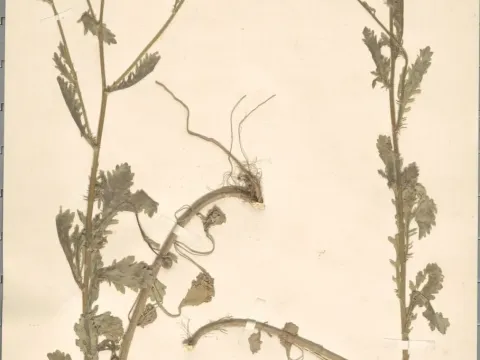
Leucanthemum ageratifolium
Leucanthemum ageratifolium
Leucanthemum ageratifolium, a member of the Asteraceae family, is typically propagated through seeds or vegetative division. Seeds are sown in spring once the danger of frost has passed to ensure optimal germination rates and seedling survival.
What the section contains
Leucanthemum ageratifolium
When starting seeds, it is recommended to use a lightweight, well-draining potting mix. The seeds should be lightly covered with soil, as they require sufficient light to germinate effectively in a controlled environment.
Vegetative propagation involves dividing mature clumps during the early spring or autumn. This method is preferred for maintaining the specific characteristics of the plant and establishing robust specimens in the field quickly.
Field planting requires careful spacing, typically 30 to 45 centimeters apart, depending on the site's fertility. Proper spacing ensures sufficient air circulation, which is critical for preventing moisture-related plant diseases.
After transplanting, seedlings should be watered thoroughly to settle the soil around the roots. Establishing a consistent watering schedule during the first few weeks is essential for deep root development and long-term vitality.
This species thrives in full sun, requiring at least six hours of direct sunlight daily to produce high-quality blooms. Inadequate light levels can lead to weak stems and significantly reduced flower production.
Soil conditions must be fertile and well-drained. While the plant is adaptable, it performs best in neutral to slightly alkaline soils that are rich in organic matter and free from compaction or standing water.
Water management is vital, as Leucanthemum ageratifolium prefers consistent moisture but is highly susceptible to root rot in saturated soils. Irrigation should be adjusted based on local weather conditions and soil moisture levels.
Regular fertilization with a balanced, slow-release fertilizer during the active growing season promotes vigorous foliage and abundant flowering. Excessive nitrogen should be avoided to prevent leggy growth that is prone to lodging.
Temperature tolerance is generally good, but the plants benefit from mulching in regions with cold winters. A layer of organic mulch protects the root zone from extreme temperature fluctuations and retains essential soil moisture.
Common threats to this crop include fungal infections like powdery mildew, especially in humid conditions with poor airflow. Maintaining proper plant density is a key preventive measure against such outbreaks.
Pests such as aphids, leaf miners, and slugs can cause significant damage to the foliage and buds. Regular monitoring allows for early detection and targeted intervention to prevent economic losses in the flower production cycle.
Nematodes can occasionally affect root health in poorly managed soils. Utilizing healthy, certified planting stock and following proper rotation practices helps to minimize the risk of soil-borne pathogens and pests.
Integrated pest management strategies, combining biological controls and selective use of pesticides, are recommended. Always ensure that the chosen treatments are compatible with the local ecosystem and any pollinator activity.
Sanitation practices are essential for disease control. Removing and destroying infected plant debris reduces the inoculum levels for subsequent seasons and contributes to overall crop health and sustainable production.
For cut flower production, harvest stems when the flowers are partially open. This stage ensures a longer vase life for the product, as the buds will continue to develop and bloom after the initial cutting process.
Harvesting should occur in the cool morning hours to maximize turgor pressure within the plant stems. Use sterilized tools to prevent the transmission of pathogens between individual plants or different batches.
Seed harvesting for propagation purposes requires waiting until the flower heads turn brown and the seeds are fully developed. Collect seeds during dry weather to prevent moisture buildup and potential mold issues during storage.
After harvesting, post-production handling includes proper drying and packaging for seeds, or immediate immersion in clean water for cut flowers. These steps are crucial for maintaining the marketable quality of the crop.
Once the blooming season concludes, removing spent stalks allows the plant to redirect energy into root development for the winter dormancy phase. This simple task significantly enhances the plant's performance in the following year.