
Leucanthemum adustum
Leucanthemum adustum
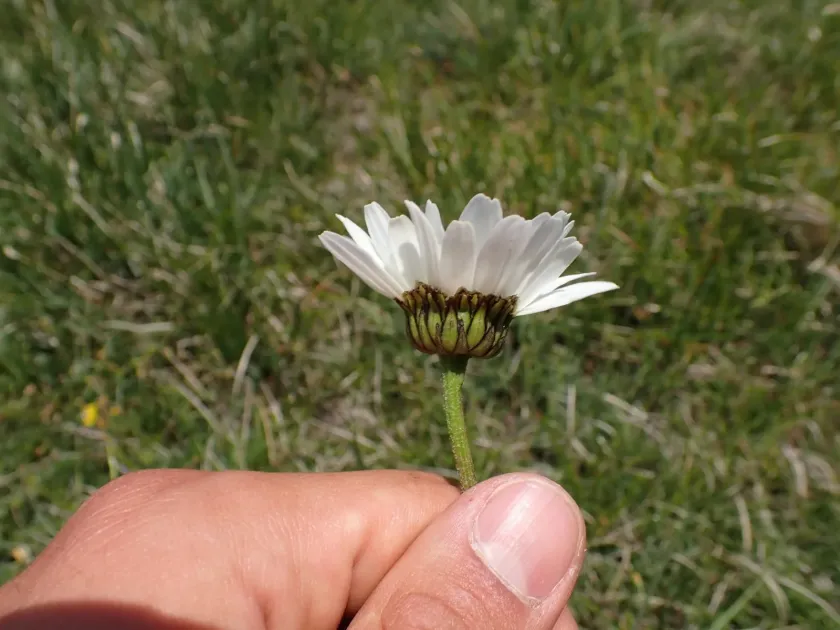
Description
Sowing dates
Leucanthemum adustum is typically propagated by seeds sown either in late autumn or in early spring once the soil has warmed sufficiently. Seeds should be sown on the surface and lightly covered with substrate as they require exposure to light for successful germination.
For earlier flowering, many growers prefer the indoor seedling method. Seeds are started in trays during late winter, typically February or March, requiring consistent moisture and temperatures around 18-20°C to ensure uniform sprouting.
Seedlings should be pricked out into individual pots once they develop their first set of true leaves. This technique encourages stronger root development and prevents competition for nutrients among young plants before their transition to the field.
Transplanting into the garden bed should occur in late May when the threat of frost has passed. During the first two weeks, it is essential to maintain steady soil moisture to help the young plants establish their root systems effectively in the new environment.
Vegetative propagation via root division is the most reliable method for maintaining mature specimens. Digging up plants every 3–4 years in spring or autumn and dividing the clumps ensures the continued health and vigor of the flower beds.
Growing requirements
As a member of the Asteraceae family, Leucanthemum adustum is a sun-loving perennial that thrives in open, sunny locations. Planting in shaded areas leads to weak, spindly stems and a significant reduction in the quantity and size of blooms.
This crop prefers moderately fertile, well-draining soils with a neutral pH level. On heavier soil types, the incorporation of organic matter and sand is crucial to improve drainage and prevent root suffocation during wet periods.
Consistent, moderate watering is required throughout the active growing season, especially during the bud formation stage. Mulching around the base of the plant helps retain soil moisture and suppresses weeds, which could otherwise compete for resources.
The plant is known for its hardiness, capable of surviving harsh winters with minimal protection. However, in regions with little snow cover, a light layer of mulch can protect the root zone from extreme frost fluctuations.
To support high-quality blooms, applying balanced mineral fertilizers twice per season—once in early spring and again at the onset of flowering—is recommended. Proper nutrient management is key to maintaining the plant's ornamental appeal.
Main diseases and pests
Aphids are a frequent pest for this species, often congregating on the succulent stems and developing buds. Systemic insecticides or eco-friendly insecticidal soaps are highly effective when applied at the first signs of infestation.
Powdery mildew is a common fungal threat, particularly in humid climates or where planting density is too high. Improving air circulation and removing affected foliage quickly are the best preventative measures against this pathogen.
Root rot is often a consequence of poor drainage or waterlogged soil conditions. Ensuring a well-prepared planting site with a gravel or sand base layer is vital to prevent moisture accumulation around the sensitive root crown.
Slugs and snails can cause significant damage to foliage during wet seasons. Implementing mechanical barriers or using specialized traps near the planting base helps to keep these pests away without the need for harsh chemicals.
Rust may occasionally affect the leaves, appearing as brown spots and weakening the plant's vitality. Regular inspections and the prompt application of copper-based fungicides can stop the spread of spores and keep the garden healthy.