
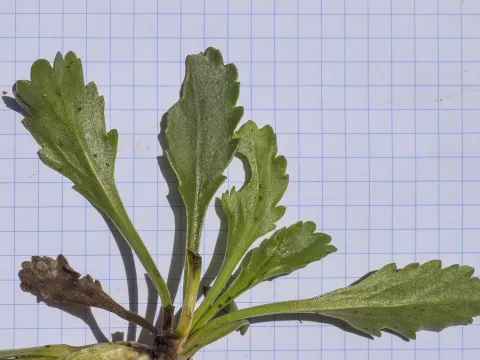
Leucanthemum catalaunicum
Leucanthemum catalaunicum
Leucanthemum catalaunicum is a perennial herbaceous plant belonging to the Asteraceae family. It originates from the high-altitude regions of the Pyrenees, specifically the Catalan area, where it thrives in rocky terrain and mountain grasslands.
What the section contains
Leucanthemum catalaunicum
This species requires a site with full sun exposure to maintain its compact growth habit. It is highly adapted to nutrient-poor soils, provided they are well-drained, as the root system is sensitive to waterlogging and poor soil aeration.
The ideal soil pH for this culture is neutral to slightly alkaline. When planting, it is recommended to incorporate coarse sand or grit into the planting pit to ensure that the crown of the plant stays dry, especially during wet autumn and winter months.
Climatic requirements are centered on the plant's natural cold hardiness. It is well-suited for temperate regions with significant seasonal temperature variations, demonstrating excellent resistance to late spring frosts.
Maintenance involves routine deadheading to promote a prolonged flowering period. During the growing season, a balanced fertilizer applied once or twice can support vigorous growth, although excessive nitrogen should be avoided to prevent weak stems.
Common diseases affecting Leucanthemum catalaunicum include powdery mildew and various leaf spot fungi, which thrive in humid and poorly ventilated conditions. Promoting airflow between individual plants is the best preventative strategy.
Pests such as aphids and leaf miners are known to affect this crop, feeding on the succulent tissues of leaves and flower buds. Monitoring plants for signs of discoloration or stunted growth is crucial for early intervention.
Gastropods, including slugs and snails, may pose a risk to young seedlings and emerging foliage during wet weather. Utilizing physical barriers such as copper tape or organic baits can effectively minimize the damage caused by these pests.
Root rot can occur if soil drainage is insufficient, often caused by pathogenic fungi present in heavy, water-retaining soils. Improving soil structure and avoiding over-irrigation are key steps in maintaining root health.
In cases of severe infestation or infection, targeted use of insecticides or fungicides is recommended. Always prioritize integrated pest management practices to ensure the long-term sustainability of the planting.