
Leucanthemella
Leucanthemella
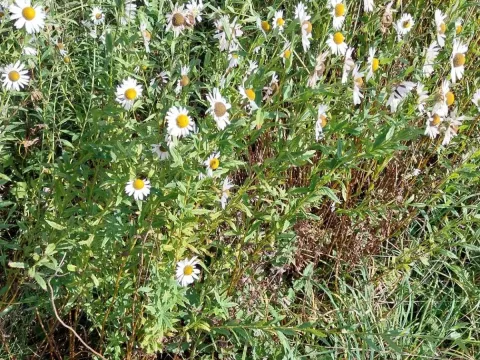
Leucanthemella is a genus of perennial herbaceous plants belonging to the Asteraceae family. These plants are closely related to chrysanthemums and are often prized for their elegant, daisy-like white flowers that bloom in late summer and autumn.
What the section contains
Leucanthemella
Native to East Asia, specifically regions within China and Japan, the plant thrives in temperate climates where it can complete its full growth cycle during the long days of the season.
For optimal growth, Leucanthemella requires a sunny location with well-drained, fertile soil. While it tolerates partial shade, full sun exposure significantly improves flower production and overall plant vigor.
Proper water management is essential; the soil should remain consistently moist but never waterlogged. Incorporating organic matter into the soil prior to planting helps maintain the necessary moisture levels and nutrient availability.
The cultural practice involves standard perennial maintenance, including spring fertilization and dividing the clumps every few years to prevent overcrowding and promote renewed vigor.
Powdery mildew is the most common fungal disease affecting Leucanthemella, typically appearing when humidity levels are high and air circulation is restricted around the foliage.
Root rot represents a significant threat to the plant's health, occurring primarily in poorly drained soils where stagnant water prevents the roots from accessing sufficient oxygen.
Aphids can frequently infest the flower buds and succulent new growth, potentially transmitting viral diseases and causing deformation of the blossoms if left untreated.
Leaf nematodes are another major concern, as they feed on leaf tissues, causing characteristic browning and premature foliage drop, which ruins the aesthetic value of the plant.
Integrated pest management strategies, such as proper spacing and the use of targeted biological controls, are recommended to maintain plant health and prevent the spread of infestations.