
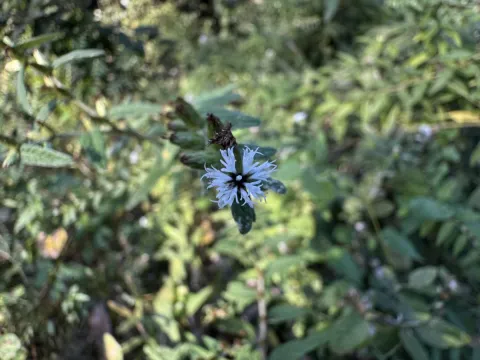
Lepidaploa sericea
Lepidaploa sericea
Lepidaploa sericea is a perennial herb belonging to the Asteraceae family. Native to South America, this plant is well-adapted to savanna and grassland environments, exhibiting characteristics of a resilient tropical species.
What the section contains
Lepidaploa sericea
Botanically, the plant is distinguished by its sericeous (silky) pubescence covering the foliage. This structural adaptation serves as a defense mechanism against excessive transpiration, allowing the plant to thrive under intense sunlight.
The species requires well-drained soil to prevent root asphyxiation, as it does not tolerate waterlogged conditions. It is typically found in soils with moderate nutrient availability and performs best in sunny, open locations.
Regarding climate, Lepidaploa sericea prefers warm environments with distinct cycles of moisture. It is highly efficient at managing water resources, making it a sustainable choice for semi-arid tropical regions.
Economic potential of the crop is primarily focused on the extraction of phytochemicals. It is recognized for its antioxidant and anti-inflammatory properties, which are increasingly studied for applications in the pharmaceutical and agricultural chemical industries.
Root rot caused by fungal pathogens remains the primary threat when growing Lepidaploa sericea. Proper drainage and soil management are essential to prevent the colonization of pathogenic soil fungi.
Leaf-feeding insects represent the most significant pest pressure on the crop. Defoliation can occur rapidly if left unchecked, potentially reducing the overall yield of biomass significantly during the active growing season.
Integrated pest management (IPM) strategies are recommended to maintain plant health. These include the use of beneficial insects, pheromone traps, and, when necessary, targeted application of soft pesticides.
Weed management is vital during the early establishment phase of the crop. Because Lepidaploa sericea has a slow initial growth rate, it is susceptible to competition from fast-growing weeds that can shade out young plants.
Maintaining a clean field environment and adhering to recommended plant spacing minimizes the spread of diseases. Ensuring robust plant health through adequate nutrition also makes the crop more resistant to stress-induced infections.