
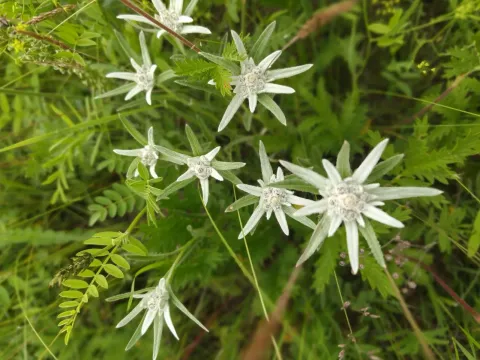
Leontopodium leontopodioides
Leontopodium leontopodioides
Leontopodium leontopodioides belongs to the Asteraceae family and is commonly propagated via seeds in controlled environments before transplanting.
What the section contains
Leontopodium leontopodioides
The seeds are extremely small and require a light, well-draining surface substrate, covered only by a thin layer of sand or vermiculite to promote germination.
Cold stratification is a critical pre-sowing treatment that simulates winter conditions and is necessary to achieve a high percentage of viable plantlets.
Sowing typically takes place in late winter or very early spring, keeping the environment cool and providing adequate light to prevent leggy seedlings.
Once frost has passed, the young plants can be hardened off and transferred to their final outdoor location, usually during the mid-spring season.
This species is highly adapted to harsh, mountain conditions, demanding very lean, gritty soils that provide excellent drainage for the roots.
Full sun exposure is mandatory; the plant thrives when it receives at least six to eight hours of direct light, which helps maintain its dense, woolly appearance.
Neutral to slightly alkaline soil pH is preferred, and the presence of limestone or rock fragments within the planting medium is highly beneficial for its health.
Excessive soil moisture is the primary cause of plant loss, so creating raised beds or utilizing slopes can significantly improve long-term survival rates.
It is exceptionally tolerant of cold and wind but dislikes high humidity, which can lead to stress or the rapid decline of individual plants.
The primary agricultural use of this plant is for the production of herbal extracts known for their antioxidant and anti-inflammatory properties.
Yields depend heavily on site selection and the ability of the farmer to simulate the natural, nutrient-poor, high-altitude environment required for growth.
Harvesting is focused on the flowering stems and foliage, which are cut at the peak of the flowering season when the plant density is at its highest.
Careful processing involves drying the plant material in low-temperature, low-humidity environments to ensure the preservation of bioactive compounds.
Sustainable harvesting practices ensure that the plant population remains productive for multiple seasons before requiring replanting or thinning.
Root rot is the most significant threat to Leontopodium leontopodioides, occurring almost exclusively when the soil remains saturated for extended periods.
Aphids and spider mites are common pests that may infest the foliage, particularly if the plants are grown in confined or poorly ventilated conditions.
Powdery mildew can affect the foliage during damp or rainy periods, making proper spacing and air circulation essential for maintaining a healthy crop.
Weed management is vital during the early establishment phase, as the plant is a slow grower and cannot easily compete with more aggressive vegetation.
Protective measures, such as mulching with stone chippings, effectively suppress weeds and keep the base of the plant dry, preventing many fungal issues.