
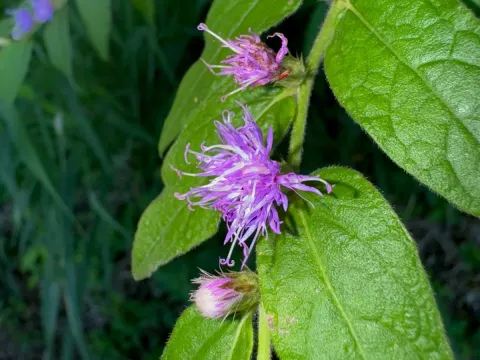
Lepidaploa arborescens
Lepidaploa arborescens
Lepidaploa arborescens is a perennial plant species belonging to the Asteraceae family. Originally from tropical habitats, this plant has adapted to warm, humid environments, making it a point of interest for researchers in tropical agriculture.
What the section contains
Lepidaploa arborescens
The cultivation of this species requires constant access to sunlight. Plants perform best when grown in well-drained, nutrient-rich soils that support strong root development without retaining excess moisture that could prove detrimental to the plant.
Climate preferences for Lepidaploa arborescens include a warm, frost-free environment with consistent humidity levels. It lacks cold tolerance, which limits its outdoor cultivation to specific tropical and subtropical zones of the world.
Botanically, the species is characterized by its woody base and specific inflorescence structures typical of the tribe Vernonieae. The leaves are generally lanceolate, which is an adaptation to capture light effectively within dense tropical ecosystems.
Economically, the species has been utilized in folk medicine and local pharmaceutical studies. While not a conventional high-yield staple crop, its secondary metabolites offer significant potential for further scientific research.
The primary threats to healthy growth are fungal pathogens, particularly root rot, triggered by poor soil drainage. Maintaining a healthy balance of soil moisture is essential for protecting the plant against these common threats.
Pest pressures primarily come from lepidopteran larvae and sap-sucking insects. Regular field inspections are recommended to manage these threats before they reach an infestation level that could impact plant vitality.
Powdery mildew is a common concern in controlled environments with low airflow. Ensuring proper plant spacing facilitates better ventilation, which significantly reduces the probability of disease outbreak.
Integrated pest management strategies are preferred, focusing on crop sanitation and the manual removal of affected parts. This reduces the need for heavy chemical applications, which might affect the plant's natural properties.
Weed control is another vital aspect of maintenance, as competing vegetation can reduce nutrient availability and harbor pests that target Lepidaploa arborescens during its critical growth phases.