
Lapsanastrum apogonoides
Lapsanastrum apogonoides
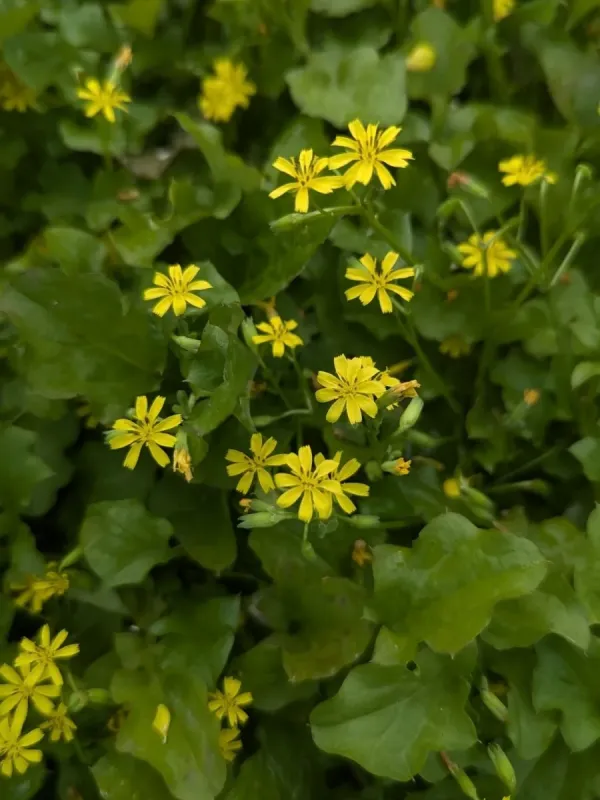
Description
Sowing dates
Sowing of Lapsanastrum apogonoides is best performed in the spring when soil temperatures reach 10–12 degrees Celsius. In temperate regions, April is the optimal window for planting, as the culture prefers cool conditions for successful germination.
For a consistent harvest, seeds should be sown in rows with 20–25 centimeters between them. The seeds should be planted at a depth of 1–2 centimeters, ensuring firm soil contact and uniform emergence of seedlings.
In intensive vegetable farming, successional sowing every 14 days is practiced. This strategy ensures a steady supply of fresh greens throughout the growing season before the onset of extreme summer heat.
Maintaining a loose soil structure is crucial during sowing. Soil compaction hinders root system development and overall biomass, so final bed preparation must focus on creating a perfectly level and aerated surface.
To improve uniformity of emergence, pre-soaking seeds is recommended. Utilizing high-quality seeds with high germination energy is the cornerstone of developing an even and productive plant stand.
Growing requirements
Lapsanastrum apogonoides belongs to the Asteraceae family and is an annual herbaceous plant. It is native to East Asia, including China, Japan, and the Korean Peninsula, where it has long been valued for its nutritional and culinary properties.
The crop has moderate lighting requirements. While it grows well in long-day conditions, the most tender greens are achieved with partial shading during peak sunlight hours to prevent premature bolting.
Regarding soil, the plant prefers fertile, well-drained loam with a neutral to slightly acidic pH. Avoiding waterlogged areas is essential, as excessive moisture often leads to root rot and other physiological disorders.
Agronomic management includes regular irrigation, especially during the rosette leaf formation phase. Water stress significantly impacts quality, making the leaves tough and bitter due to secondary metabolite accumulation.
Fertilization should be moderate. Compost or well-rotted manure is preferred over heavy synthetic nitrogen application, as excessive mineral nitrogen can lead to high nitrate levels in the foliage, reducing market quality.
Yield
Yield potential of Lapsanastrum apogonoides is highly dependent on planting density and the overall level of agronomic care. With proper irrigation and nutrient management, yields of 1.5–2 kilograms per square meter are achievable.
Timely harvest is the most critical factor in maximizing marketable yield. Delaying harvest leads to the bolting stage, where the plant shifts energy to flowering, drastically reducing the quality and taste of the leaves.
To increase marketable output, thinning seedlings is necessary. Maintaining a spacing of 10–15 centimeters between plants allows each rosette to develop fully, resulting in higher quality individual plants.
The crop is primarily utilized for fresh consumption in salads and soups. In its native range, it is also integrated into traditional medicine, reflecting its profile of unique bioactive compounds.
The use of tunnel covers or fleece can extend the harvest window, which is particularly beneficial for production in climates with unstable weather patterns, thereby improving economic viability.
Main diseases and pests
The primary threats to this crop include sucking pests such as aphids and spider mites. These pests reproduce rapidly in dry, warm conditions, suppressing young plant growth and marring the quality of the foliage.
Fungal diseases like powdery mildew and downy mildew are common concerns. To mitigate these, strict crop rotation and avoiding overly dense plantings are necessary to ensure proper airflow within the crop canopy.
Slugs and snails can cause significant damage to young seedlings, especially in high-moisture environments. Control methods include physical barriers and environmentally safe molluscicides to maintain plant health.
Disease prevention starts with using certified, high-quality seeds and maintaining soil sanitation. Pesticide use should be minimized, focusing instead on integrated pest management and biological control agents.
- Strict adherence to a 3-4 year crop rotation cycle.
- Removal of Asteraceae weeds that serve as viral reservoirs.
- Regular inter-row cultivation to prevent surface moisture stagnation.
Harvesting
Harvesting is typically selective, occurring as leaves reach market size. Depending on temperature and light intensity, the first harvest can begin 30–45 days after emergence.
Leaves are harvested using sharp knives or shears, taking care to preserve the growing point for potential regrowth. Harvested greens must be cooled immediately to minimize respiration and prevent wilting.
Morning harvesting is recommended when plant turgor is highest. This practice helps the product maintain its freshness and appearance during transport and shelf display at retail markets.
For long-term storage, the produce should be kept at 0 to +2 degrees Celsius with high relative humidity. Perforated packaging helps maintain freshness while preventing desiccation and quality loss.
If the crop is grown for seed production, harvest is delayed until the flower heads mature. Seeds are collected as they turn brown, followed by air-drying in a well-ventilated space to maintain long-term viability.