
Lapsanastrum humile
Lapsanastrum humile
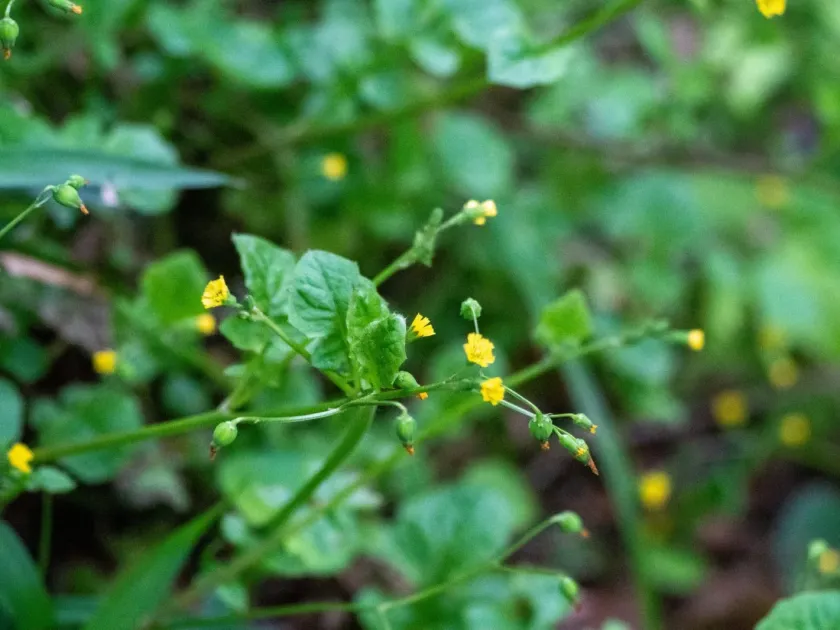
Description
Growing requirements
Lapsanastrum humile is a herbaceous perennial belonging to the Asteraceae family. This species is known for its resilience and specific ecological requirements, making it an interesting subject for specialized agricultural cultivation.
Originating primarily from East Asian regions, the plant is naturally adapted to forest edges and mountain slopes. In an agricultural context, it thrives best when mimicking its natural habitat's characteristics regarding light and shade.
The crop prefers well-drained, fertile loamy soils. Proper soil aeration is essential, as the roots are sensitive to stagnant water. Maintaining a neutral to slightly acidic pH range is considered ideal for optimal nutrient uptake.
Climatic requirements involve a temperate climate with consistent moisture levels. While it shows good adaptability, extreme heat and prolonged direct sunlight can inhibit growth, suggesting that partial shading is often beneficial.
Agronomic management should include regular cultivation between rows to maintain soil structure. Nutrient management through organic amendments ensures the longevity and productivity of the plant stands throughout the growing season.
Main diseases and pests
Common pathological threats include fungal infections such as powdery mildew, particularly under conditions of high humidity. Preventive measures like spacing plants appropriately to ensure airflow are critical for maintaining healthy populations.
Pest pressure from aphids and defoliating insects can significantly impact plant vigor. An integrated pest management approach, utilizing biological control agents, is recommended to minimize chemical reliance in production.
Weed control is another vital aspect of management.
- Mechanical cultivation
- Manual weeding
- Mulching
Botanical studies indicate that the plant's reproductive cycle is sensitive to environmental stressors. Ensuring consistent moisture and temperature helps stabilize the plant's health and ensures consistent production of its secondary metabolites.
Strategic harvesting and post-harvest handling are essential to preserve the biological activity of the crop. Understanding the plant's sensitivity to drought and waterlogging is key to achieving profitable yields in varied field conditions.